2021 — 2023 · Stage 1 · Russia
Role: independent distributor
In 2021 I was working in the film industry in Moscow and always looking for bold styling. Interesting, well-made pieces were hard to find, and then I came across a Chinese designer label and saw how well it would land in that industry.
I approached the brand and becameits independent distributor in Russia.
- 3000+customers
- 70%repeat purchases
- 6000+monthly site visitors
- 3+retail partnerships
Goal: build the brand's presence and customer base from zero — into a stable, self-funding distribution business
Research
Market
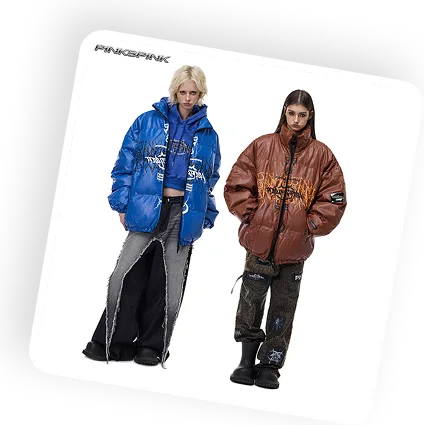
Between luxury and mass-market there was an open segment: a young, visually literate audience with nowhere to buy expressive Asian clothing.
Audience — three core segments
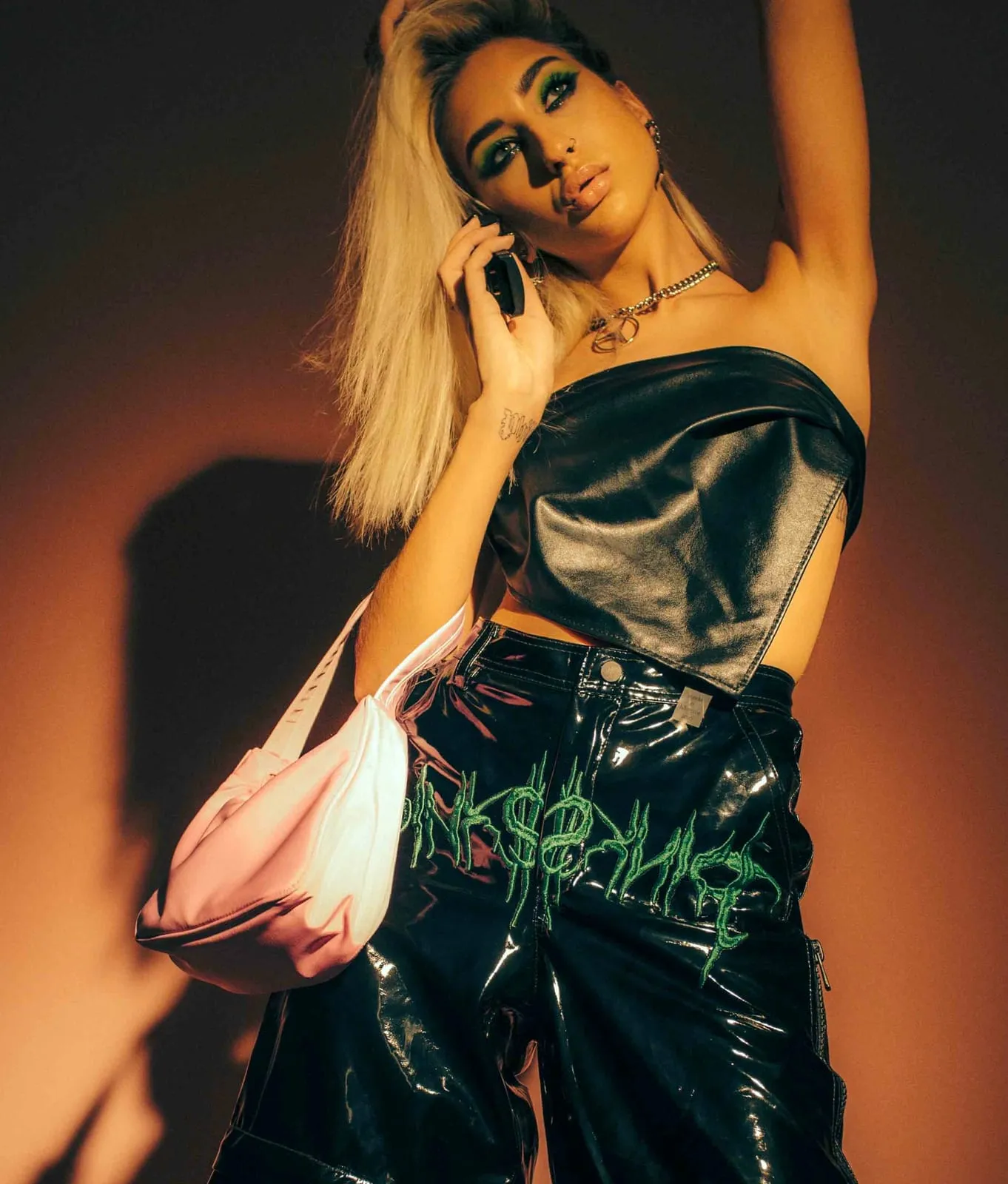
- Stage and image professionalsStylists, artists, performers, content creators. They needed bold pieces that carried their personal brand in shoots and online.
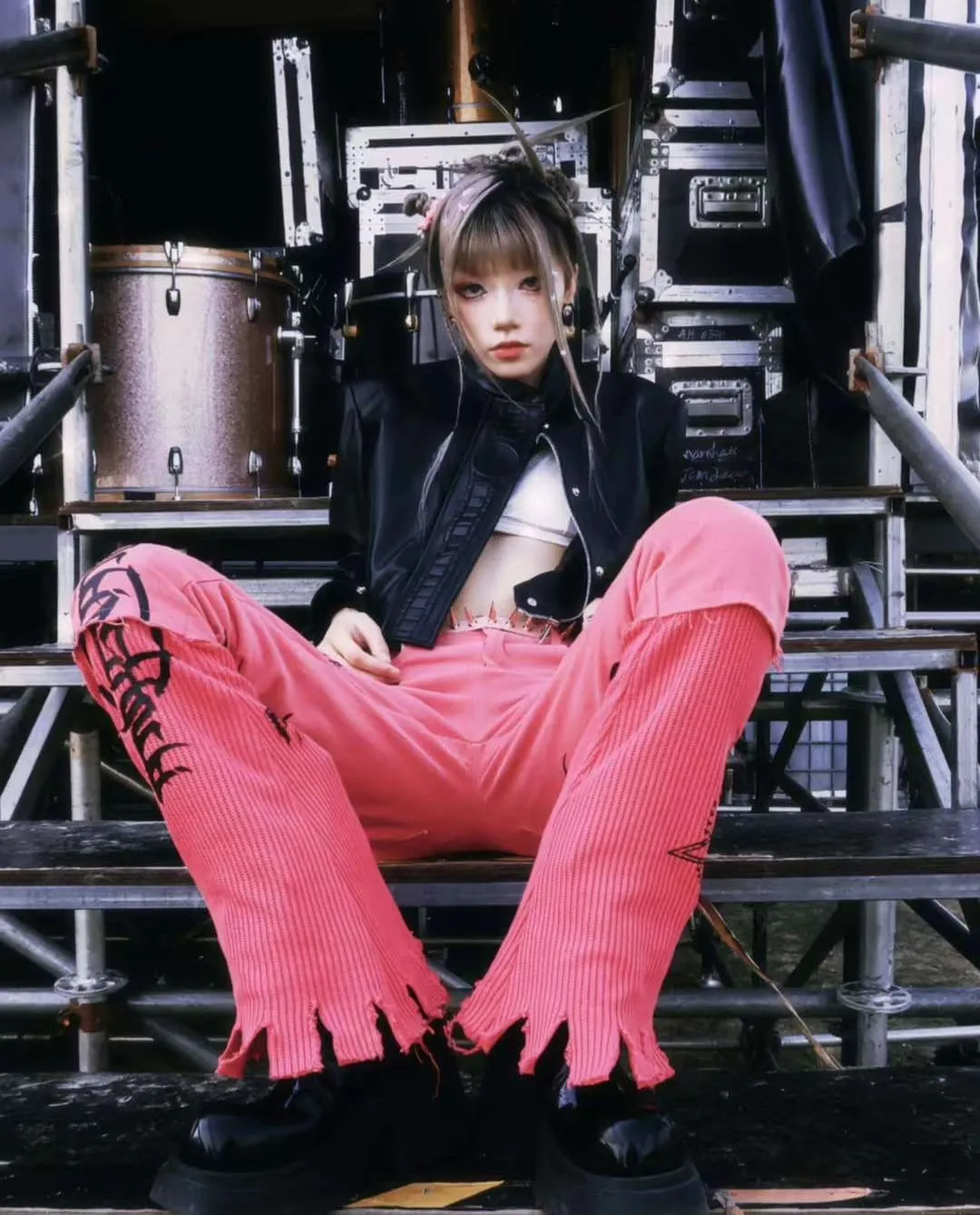
- Fashion experimentersYoung creatives and students who use clothes as self-expression. They look for pieces with character and an idea behind them, not mass-market basics.
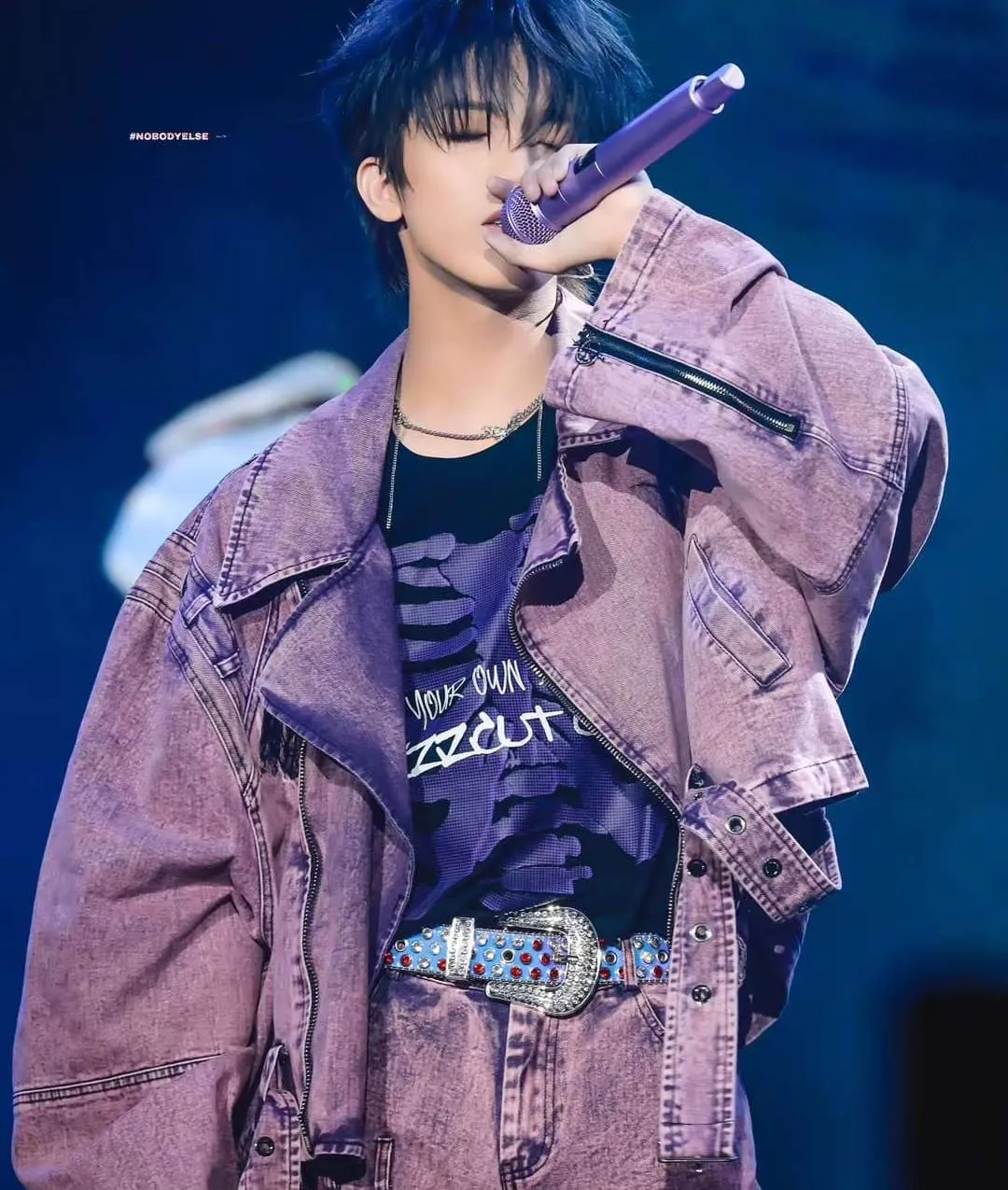
- Asian alt-aesthetic youthDrawn to Asian street fashion, anime culture and alt-pop aesthetics. They use the brand to signal taste and belonging to the scene.

Positioning and brand
I took the open segment between luxury and mass-market and focused on the creative scene.
- PositioningAsian glam-punk designer label
- VoiceBold, direct, no apologies
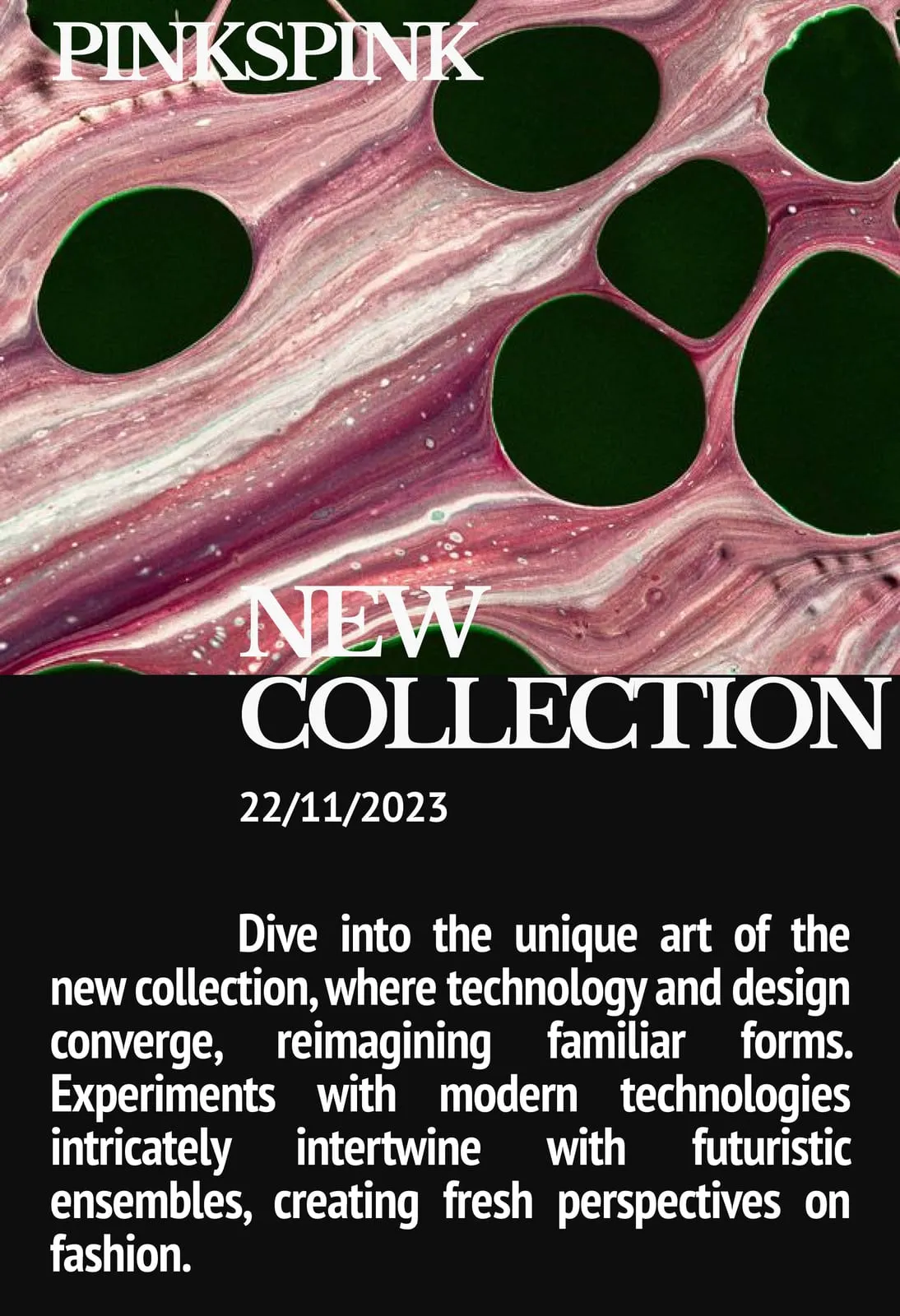
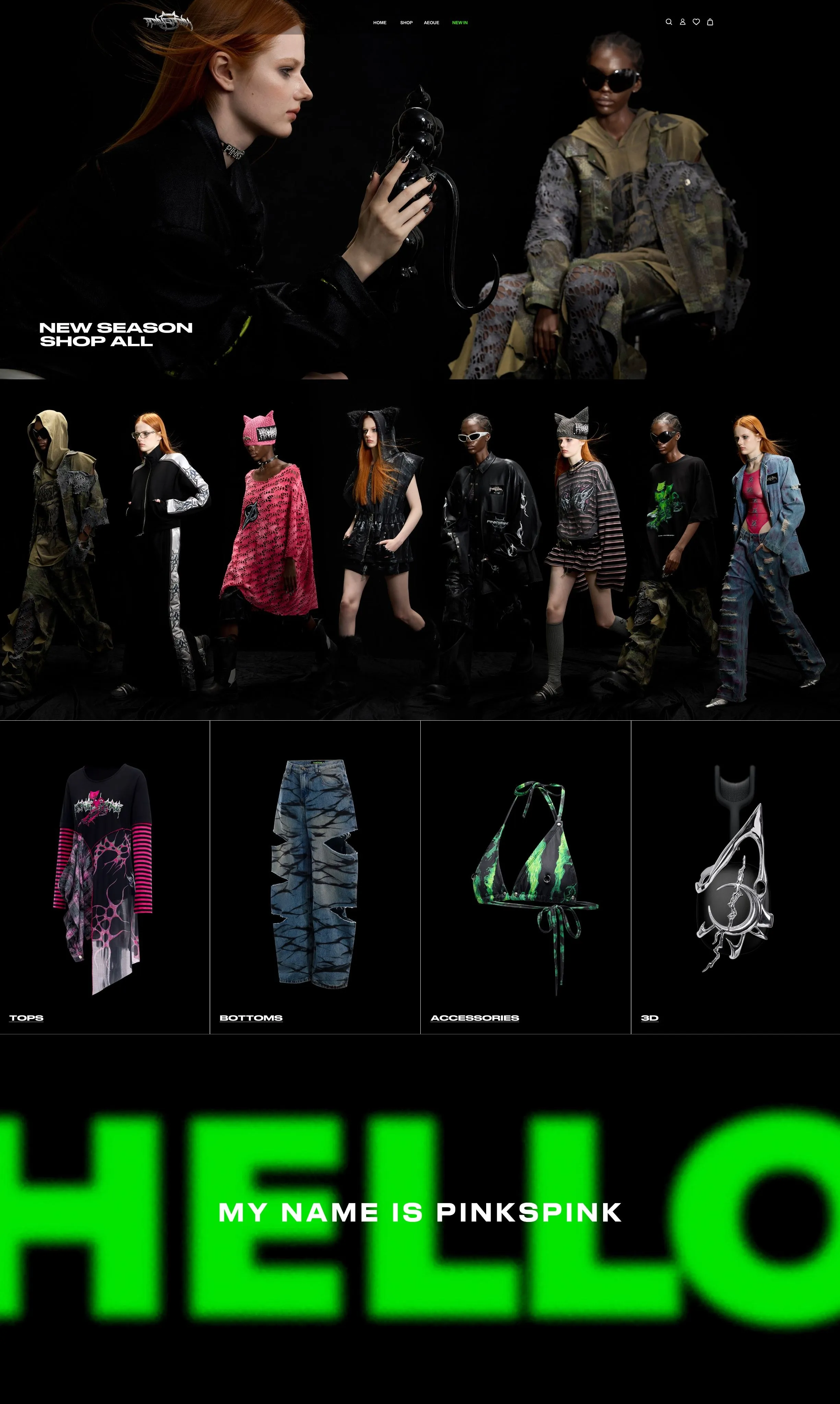
- VisualSaturated and high-contrast — black, green, accent pink; large graphics, expressive typography


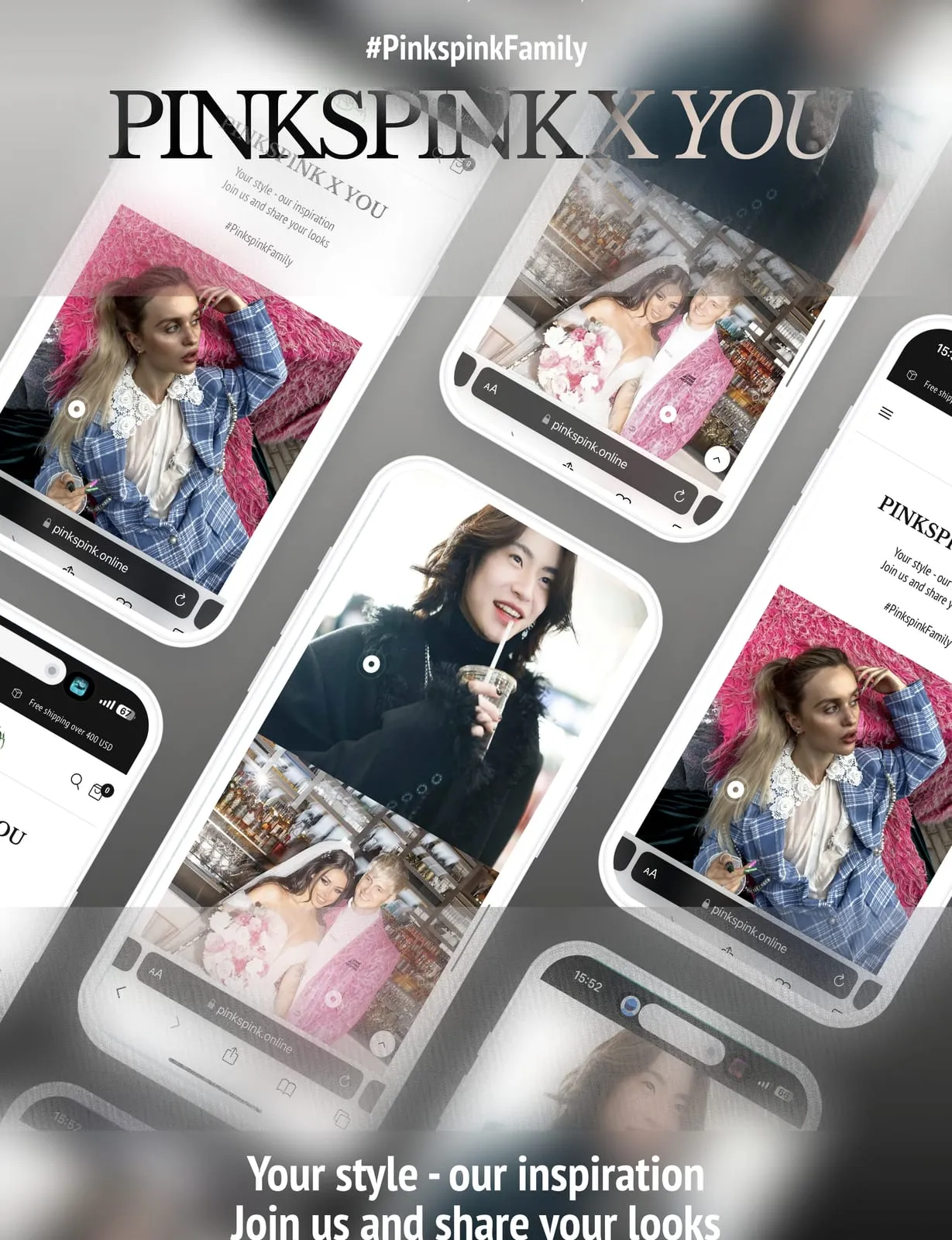
Awareness and PR
I built awareness across several channels, each aimed at a different segment:
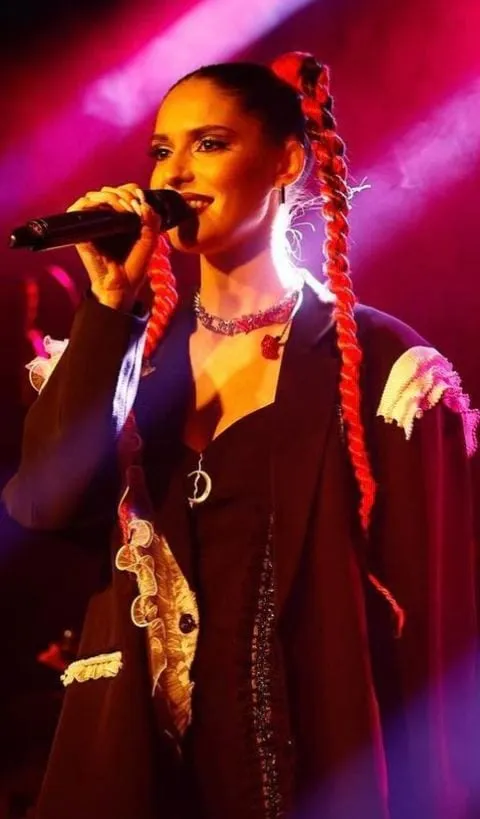
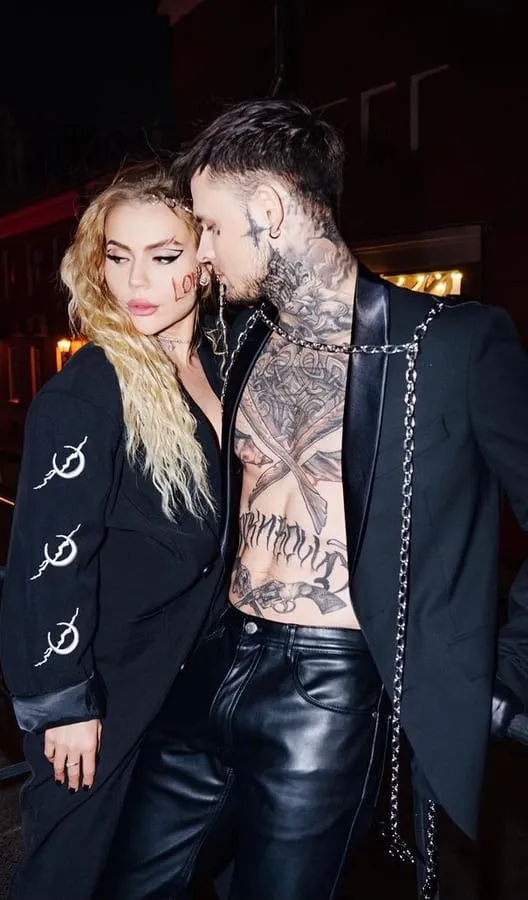
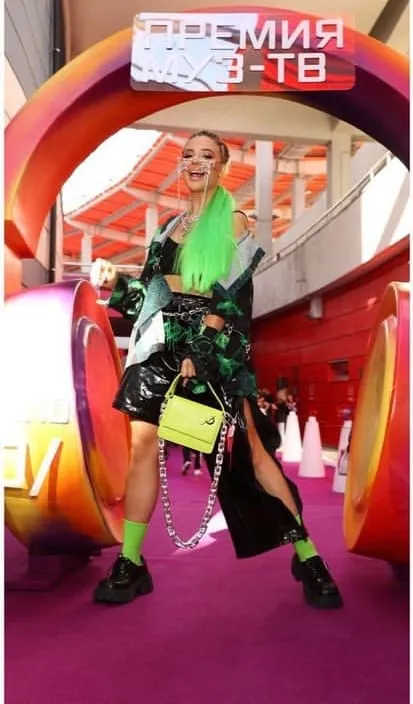
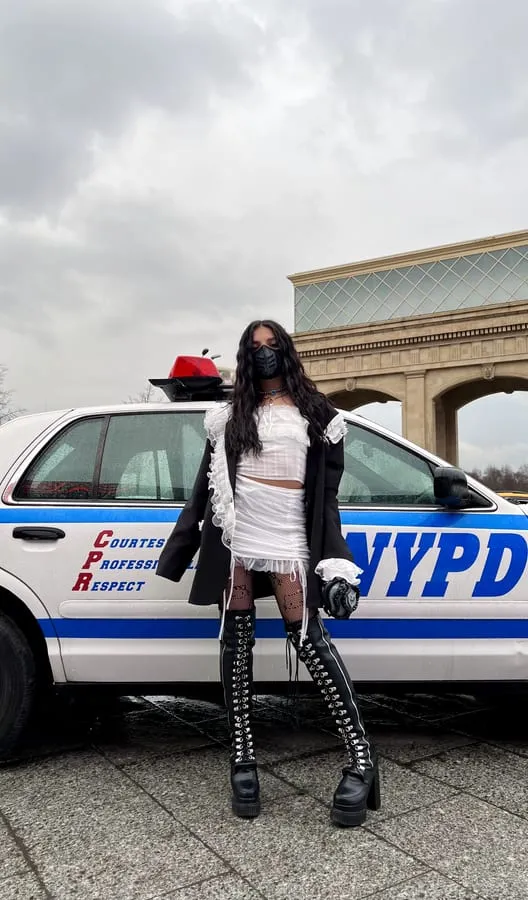
- PR and earned media — magazines, music videos, live performances, red carpets
- Celebrity stylists put the brand into shoots and public appearances
- Owned channels — Instagram, YouTube, TikTok, Telegram
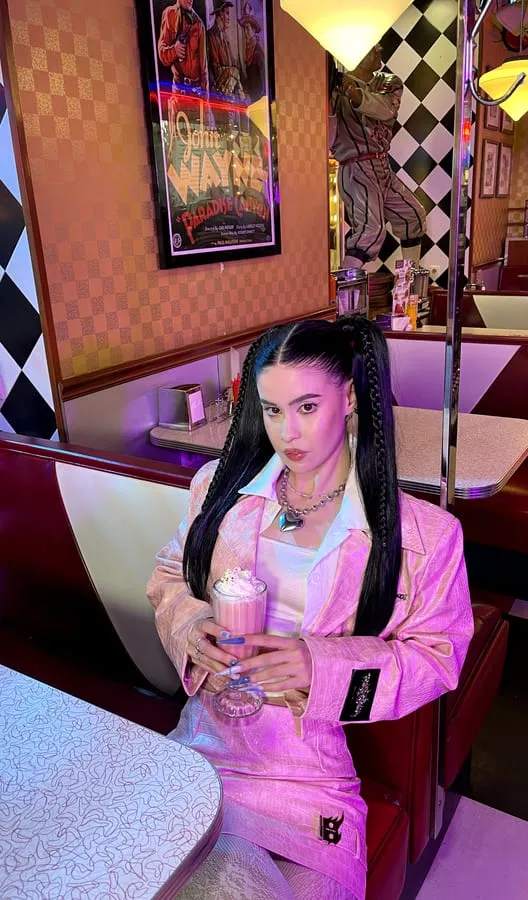
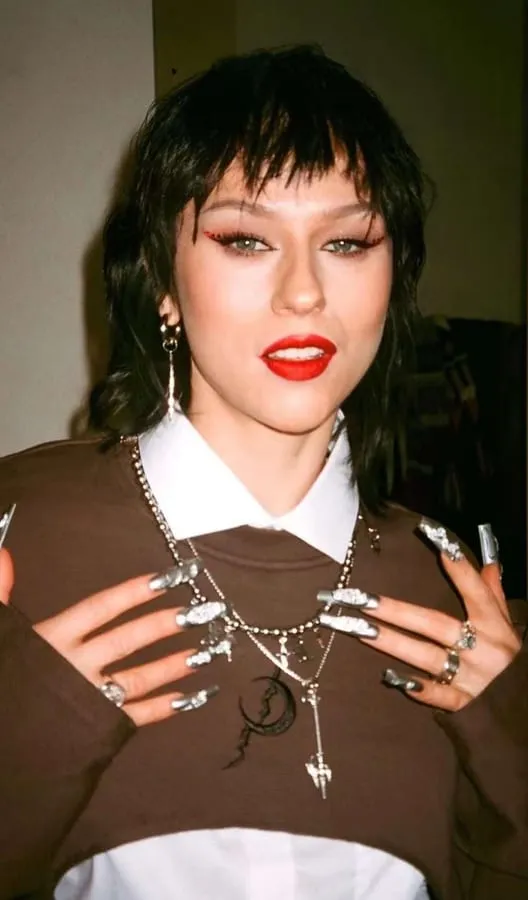
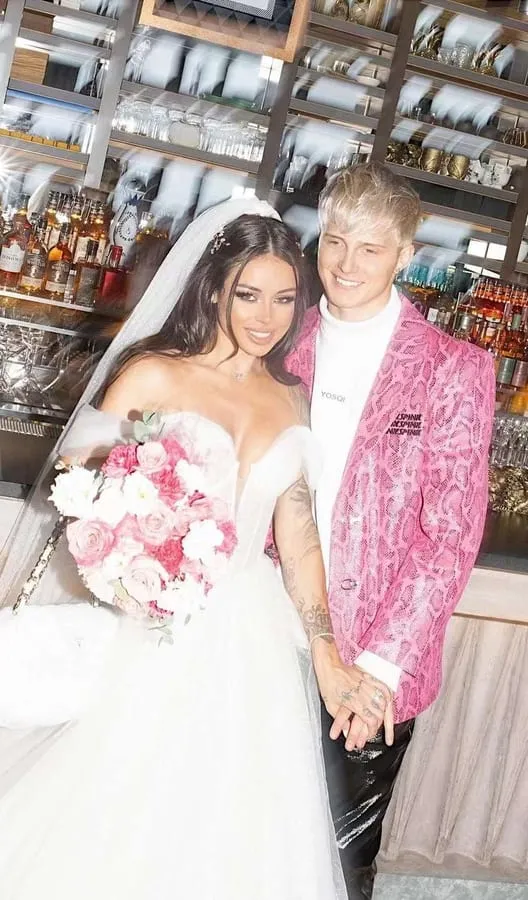
- 15+ commercial photo and video shoots in Russia and Bangkok over two years
Within a year the brand wasrecognised across Russia'salternative fashion scene

Sales
I built two sales channels:
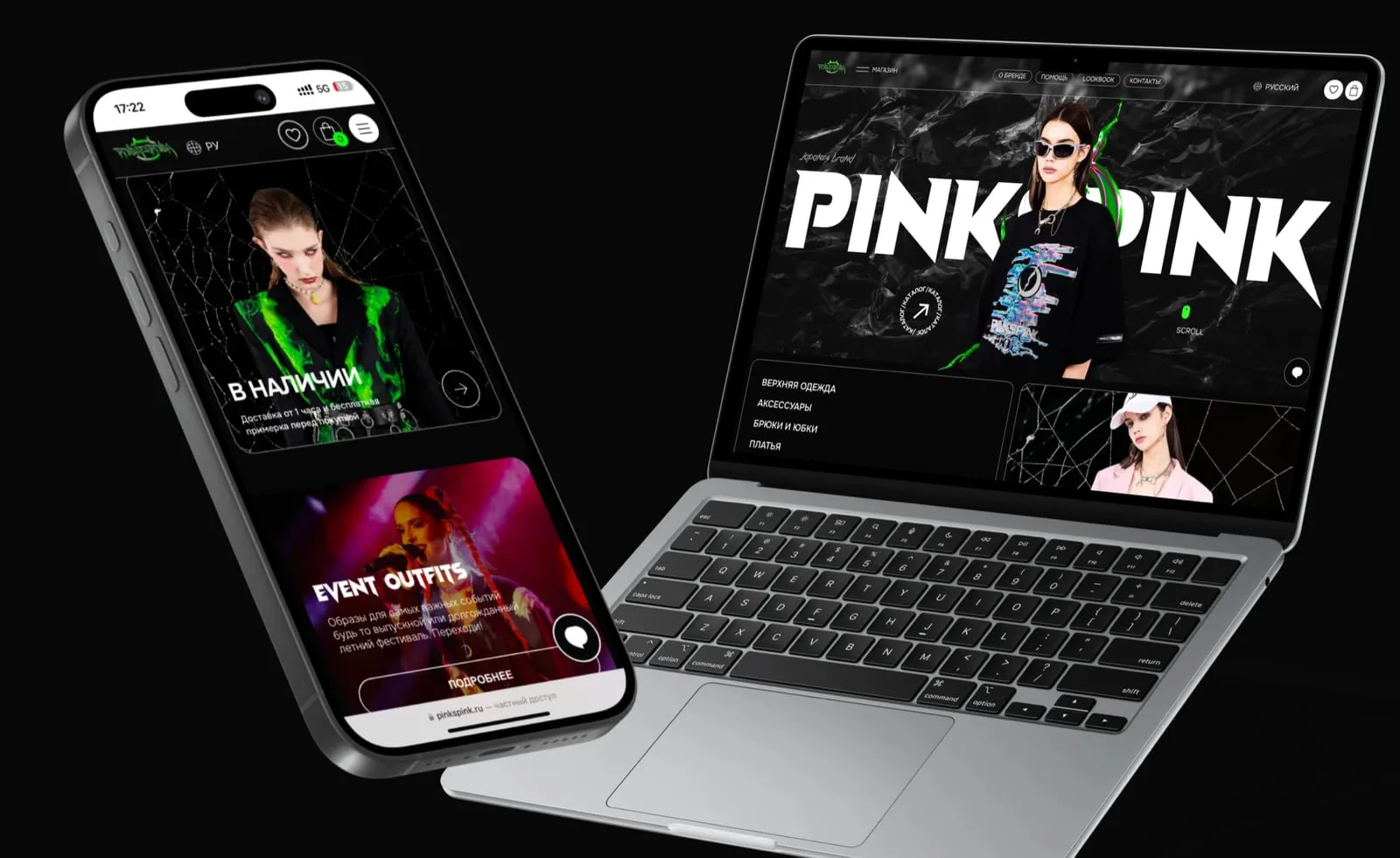
- OnlineLocalised site with its own content and SEO, 6,000+ visits a month
- OfflineRetail partnerships in Moscow: concept stores and multi-brand spaces (full back office — stock records, import certification, partner management)
Retention
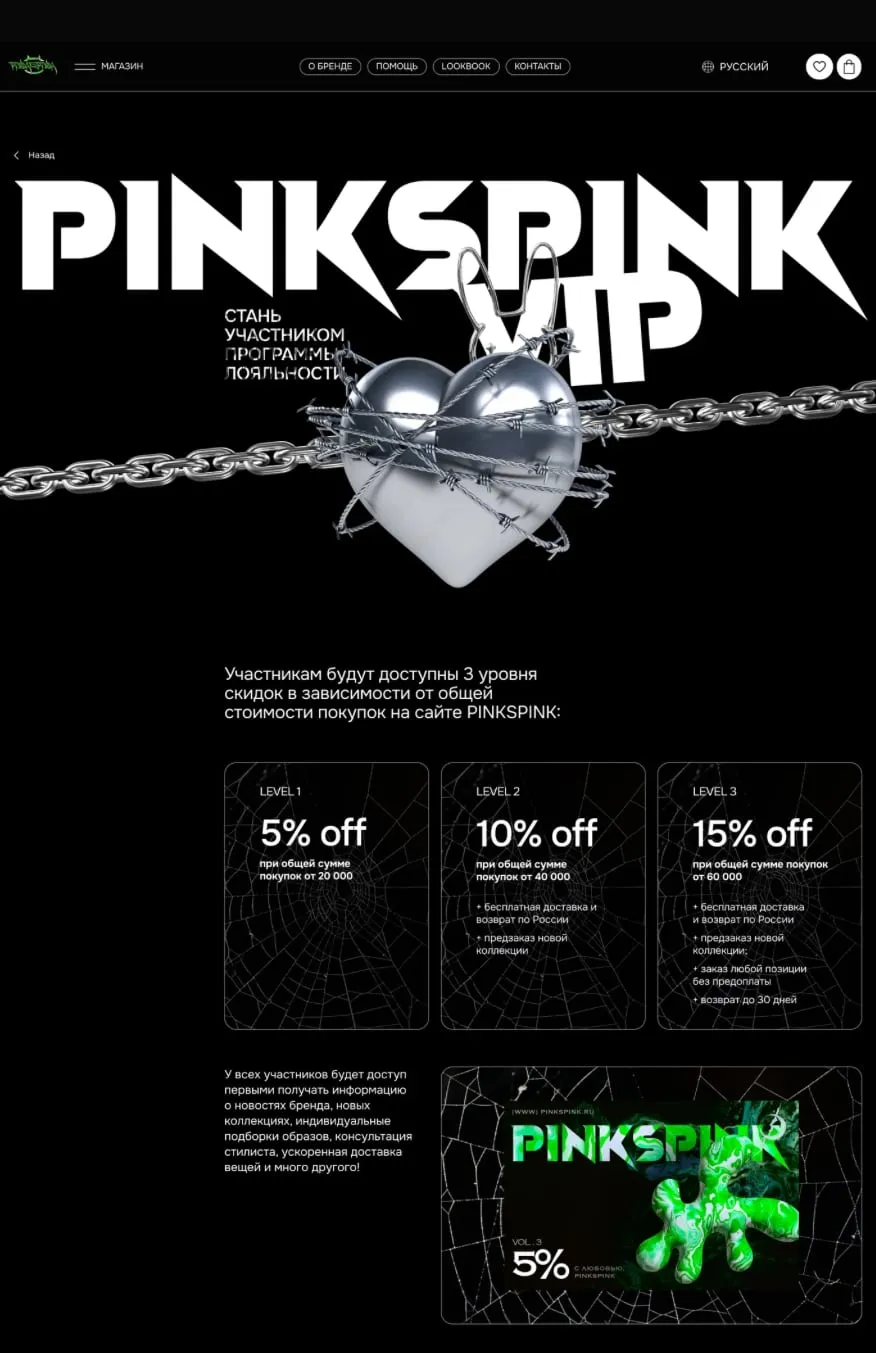
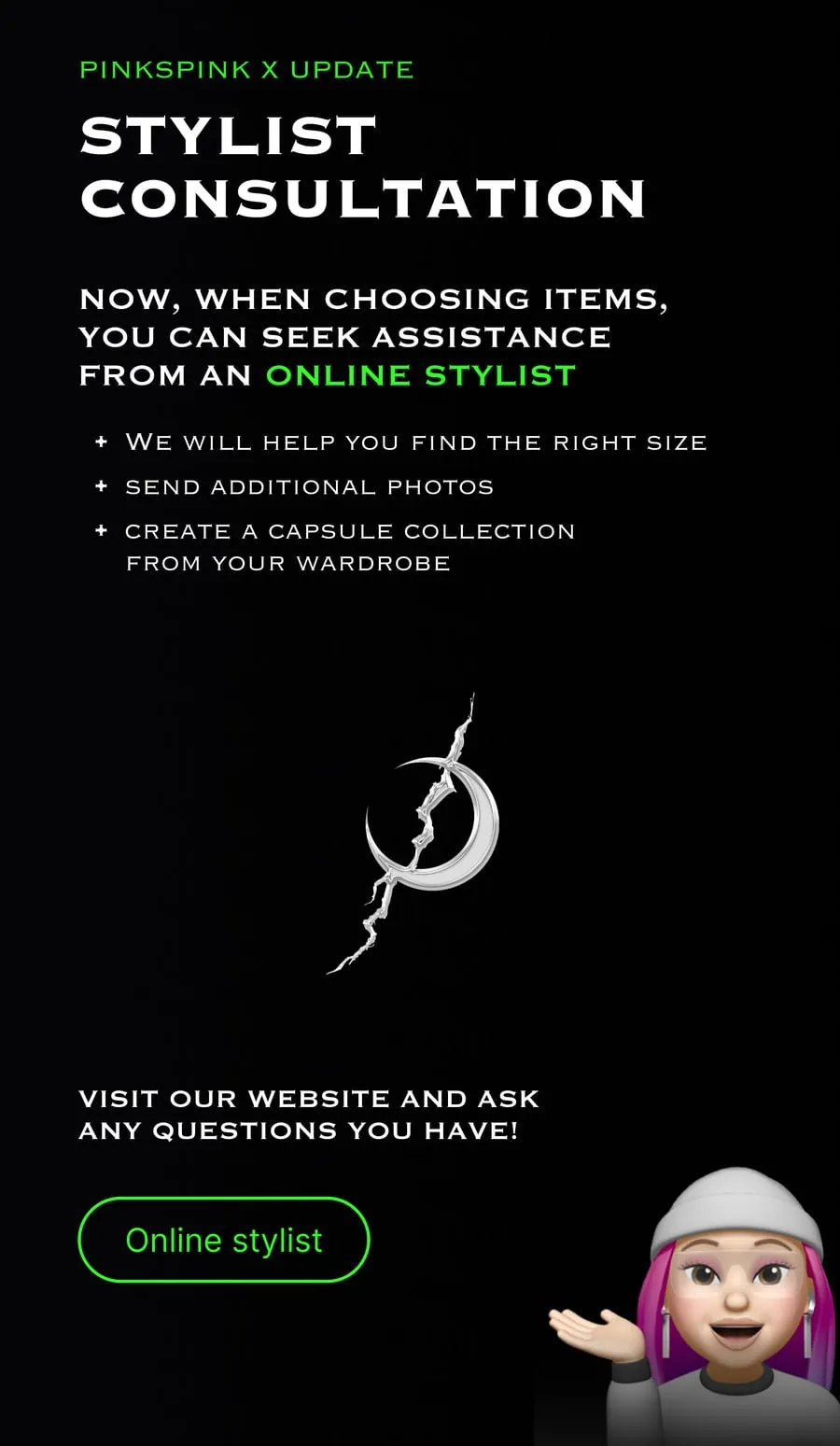
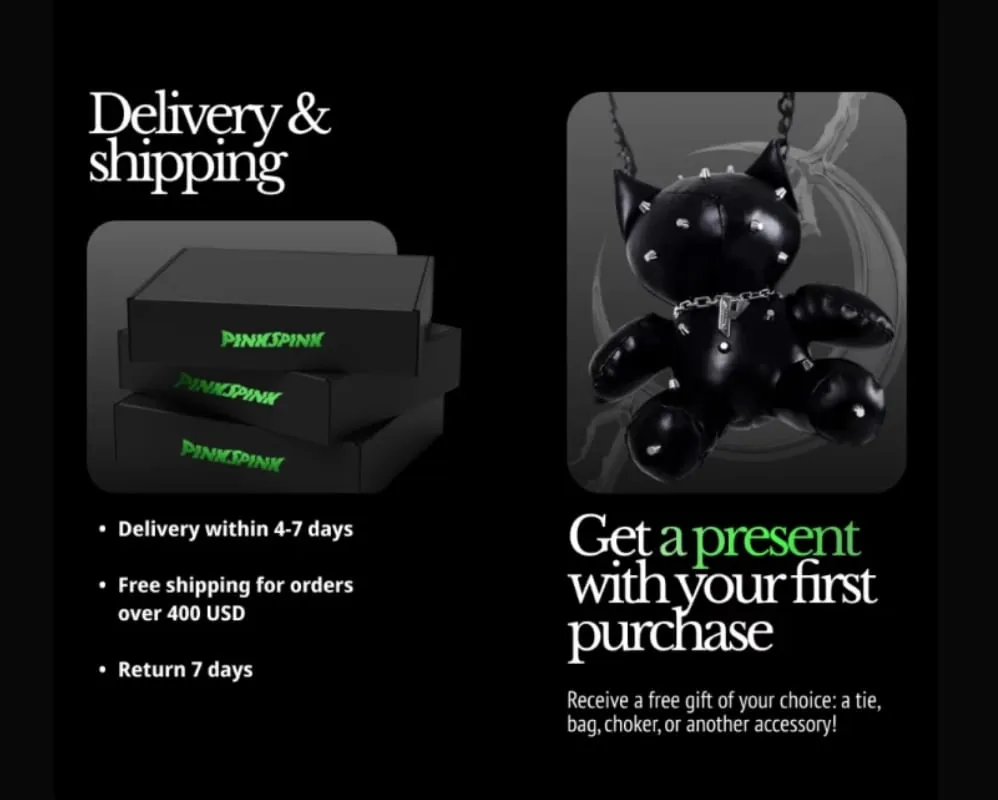
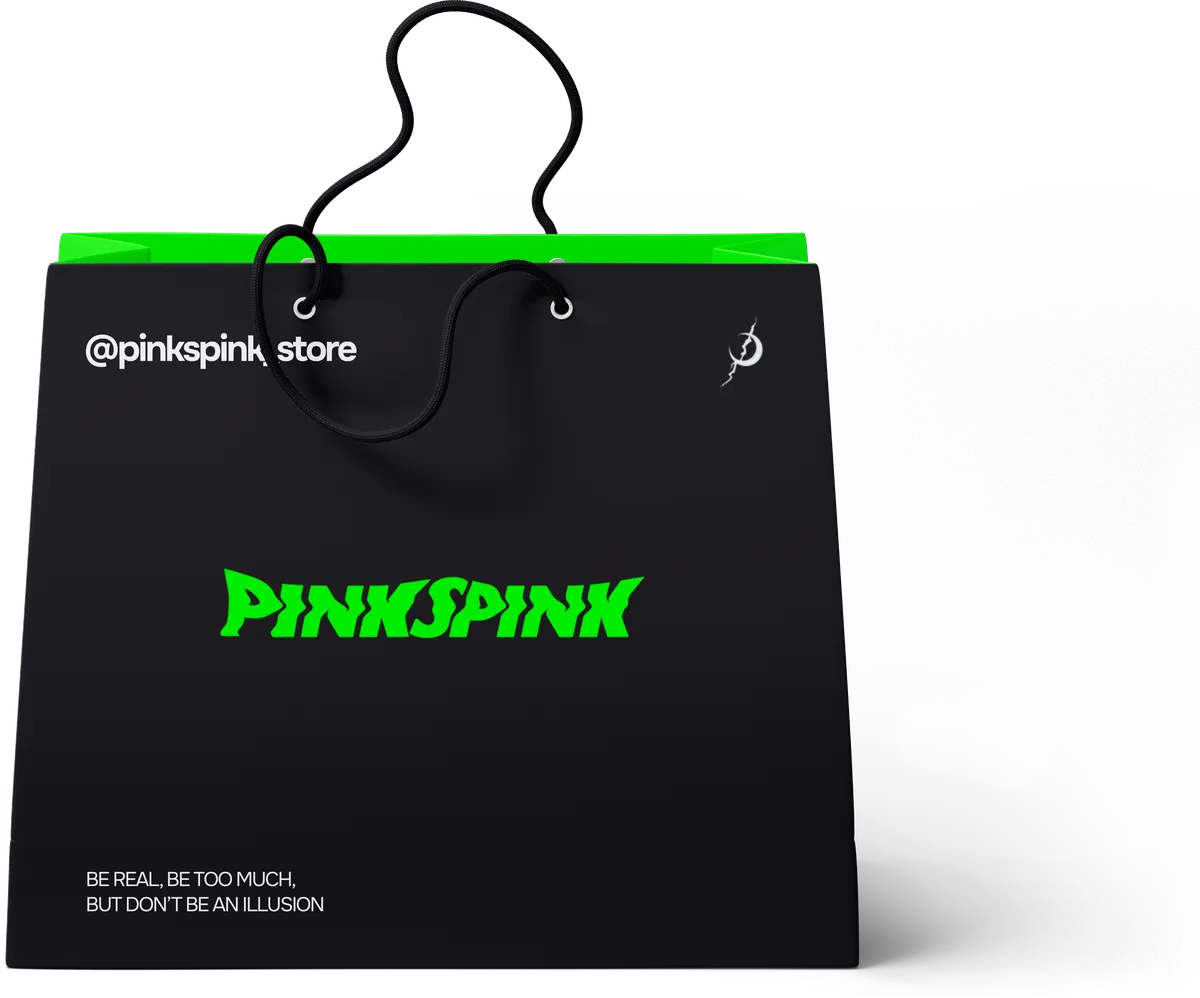
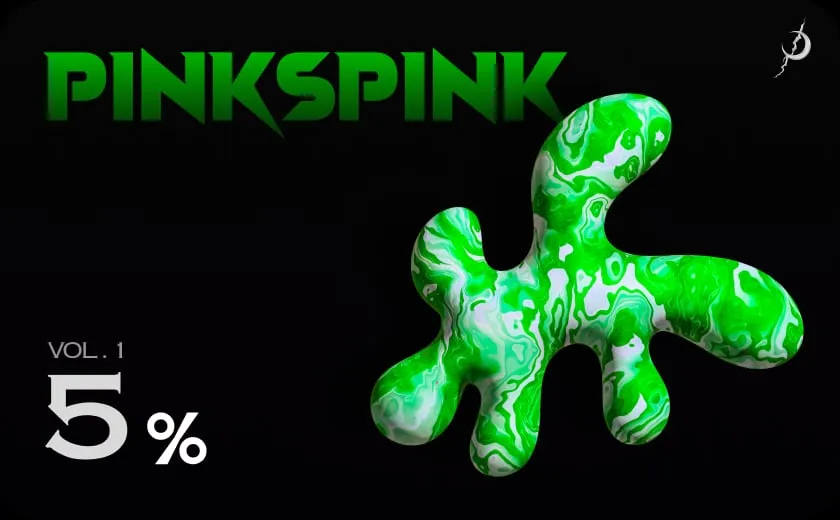
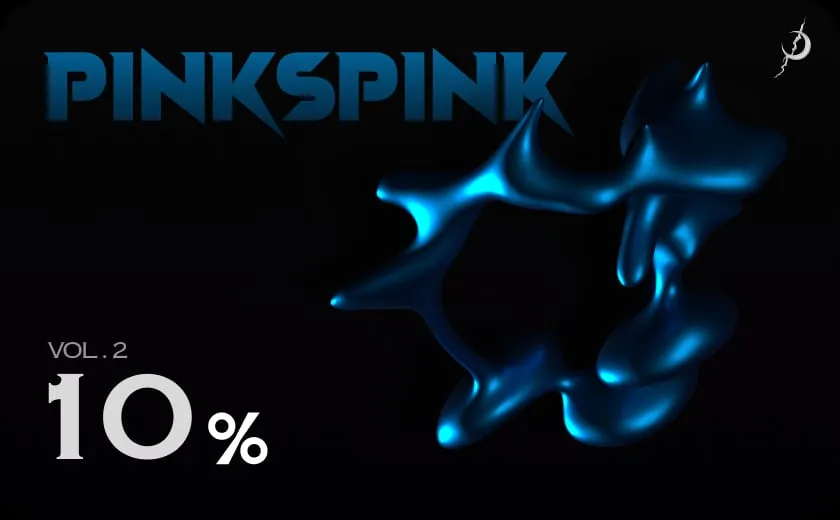
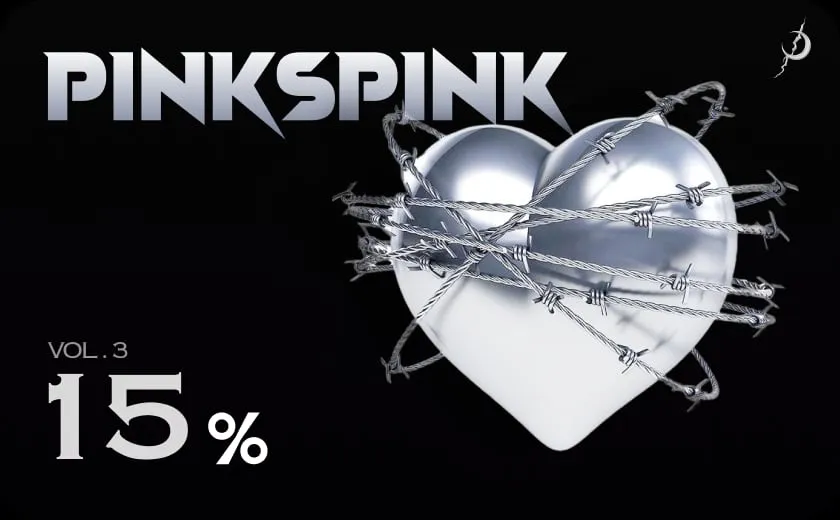
A loyalty programme, regular newsletters and CRM work brought 70% of customers back for repeat purchases.
Turning point

By 2023 the unit economics had shifted
- Supplier prices went up
- Restrictions on Instagram and TikTok in Russia cut off the channels where the audience lived
- Retail commissions pushed the price above what the market would pay
I wound down the Russian distribution and accepted the brand's invitation to lead its international marketing.
2025 — 2026 · Stage 2 · International markets
Role: marketing lead
The brand was seeing strong interest from abroad and wanted to build its name on international markets.
- x2,5audience
- 5000+site visitors
- 3markets
Goal: grow awareness with international audiences and work out which markets to sell in
Research
Market selection
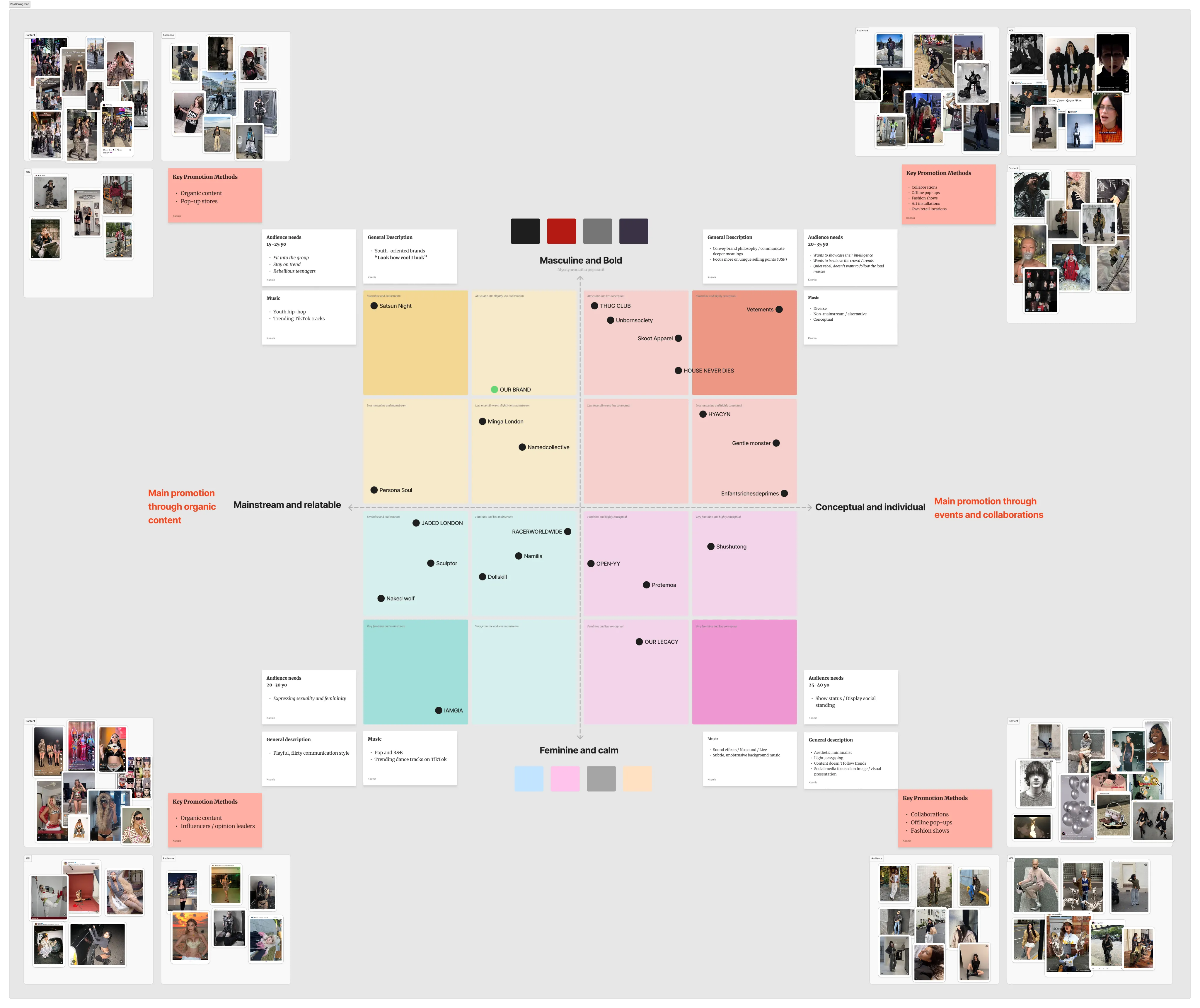
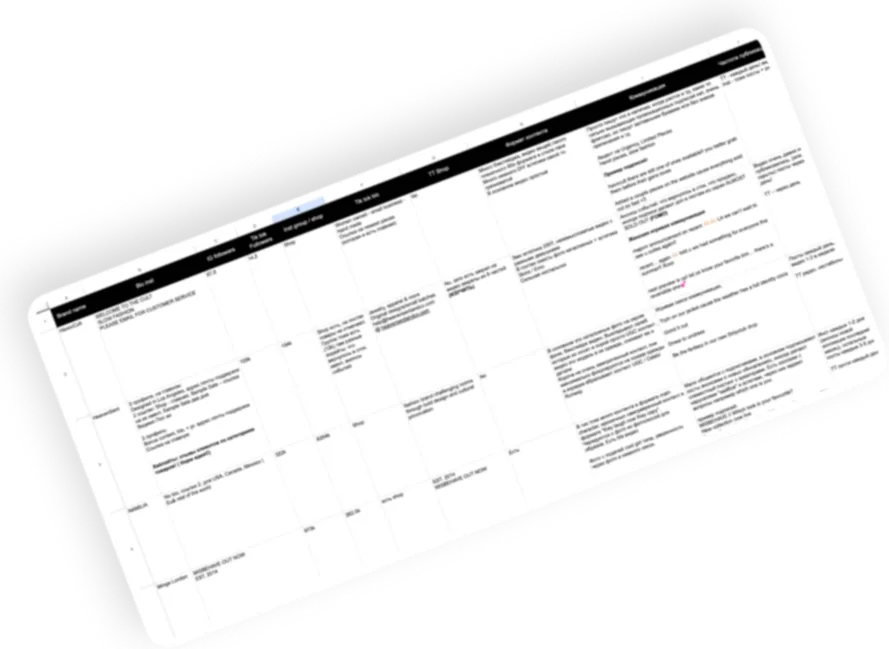
The brand didn't know which markets to go into. I ran research on three levels:
- MarketsWhich ones fit the brand by audience, style and spending power
- CompetitorsHow niche fashion brands grow internationally in this segment
- BuyersHow they behave country by country, and what's cultural about it
Financial model
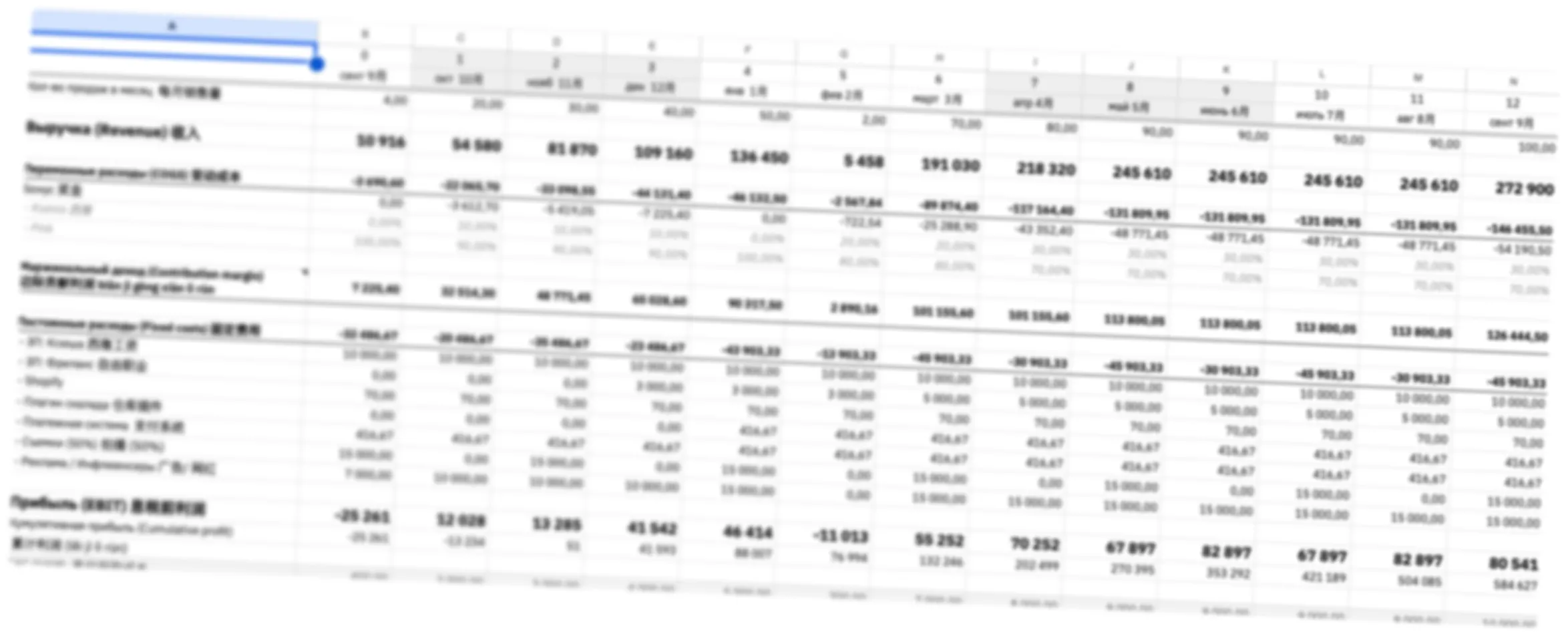
A two-year model for the international line — unit economics, pricing, P&L, break-even. It showed that a DTC site of our own wouldn't cover its running costs in the first year.
The result: a priority list of markets, each with its own way in

Strategy
The owner chose B
Site analytics
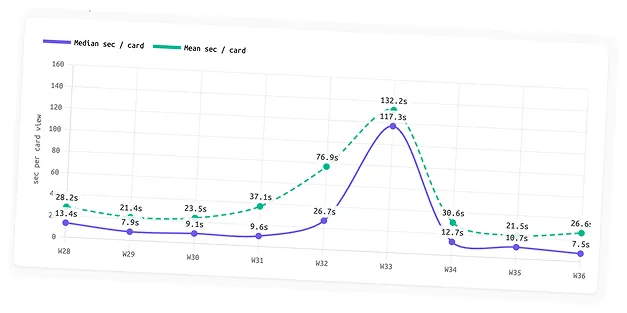
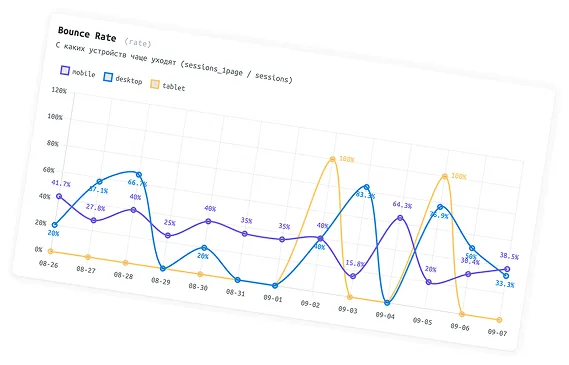
I built custom tooling to keep improving the site.
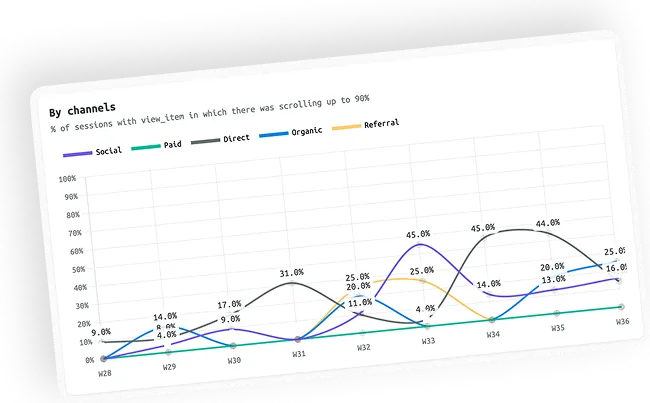
- Custom dashboardsGA4 + BigQuery + Shopify
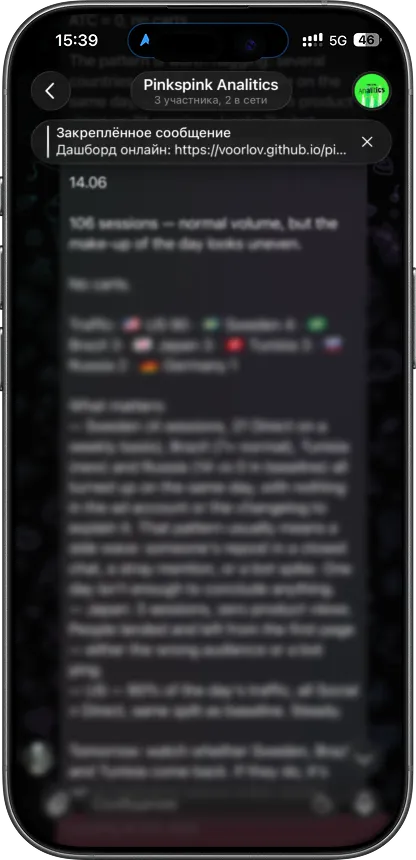
- AI reports in chatan AI pulls the data into a digest and sends it to Telegram: a daily pulse on key metrics, a weekly read on the trend. No manual exports.
- Dozens of sessions reviewed every weekthrough Microsoft Clarity
Result: found where the site got in people's way and rebuilt those places
- x2time on site
- 1.2 → 2.3products viewed per session
- −30%bounce rate
Market testing
Turned blind launches into a system:
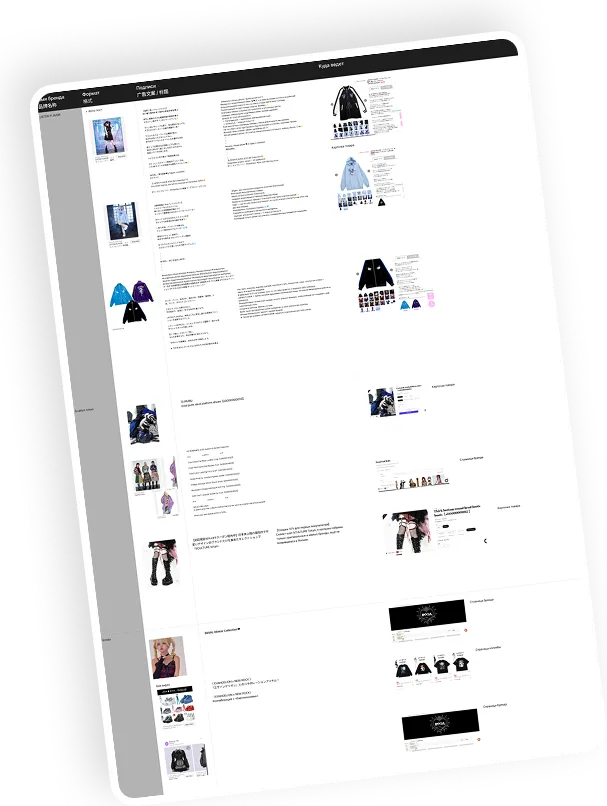
- Before each launch I read the market — competitors' channels, who the buyer is, cultural fit
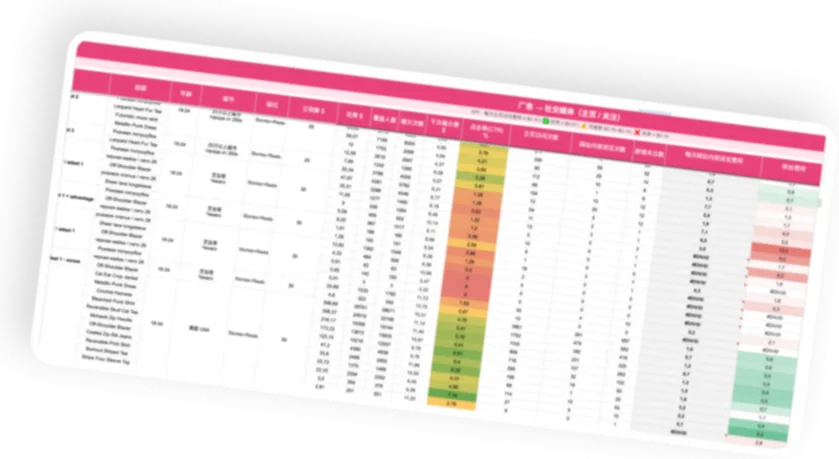
- I test across the whole funnel: traffic to different entry points, then follow it all the way through to see where it's cheaper and where it converts
- I check volumes against benchmarks — so I know when there's enough data to call it, and when the budget was too small and I'd be reading noise as signal
Then I put the budget where the data pointed:
- Japan — through partnerships with local platforms
- US — DTC gives the strongest signal on traffic and interest
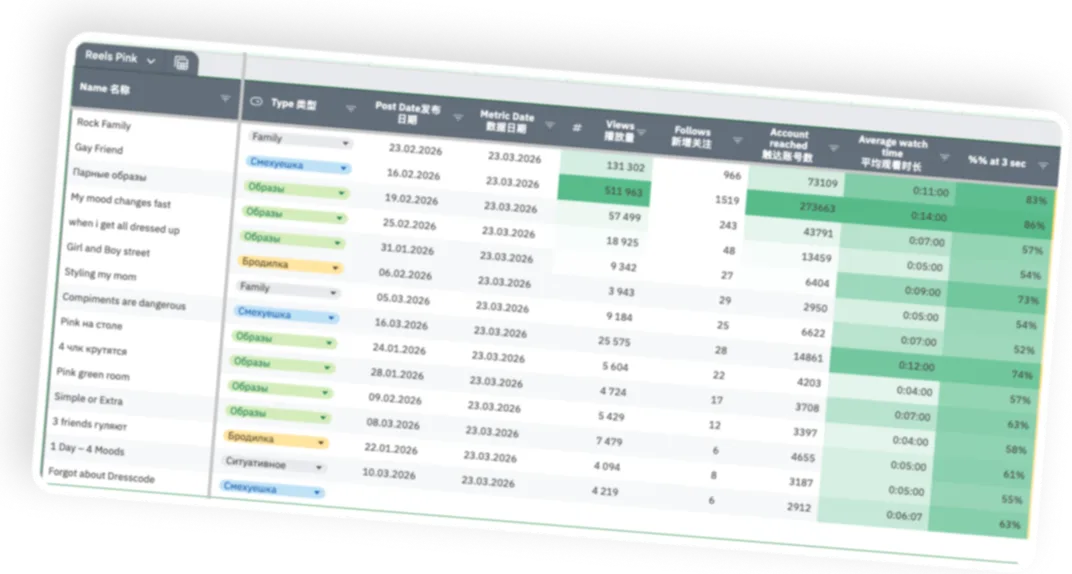
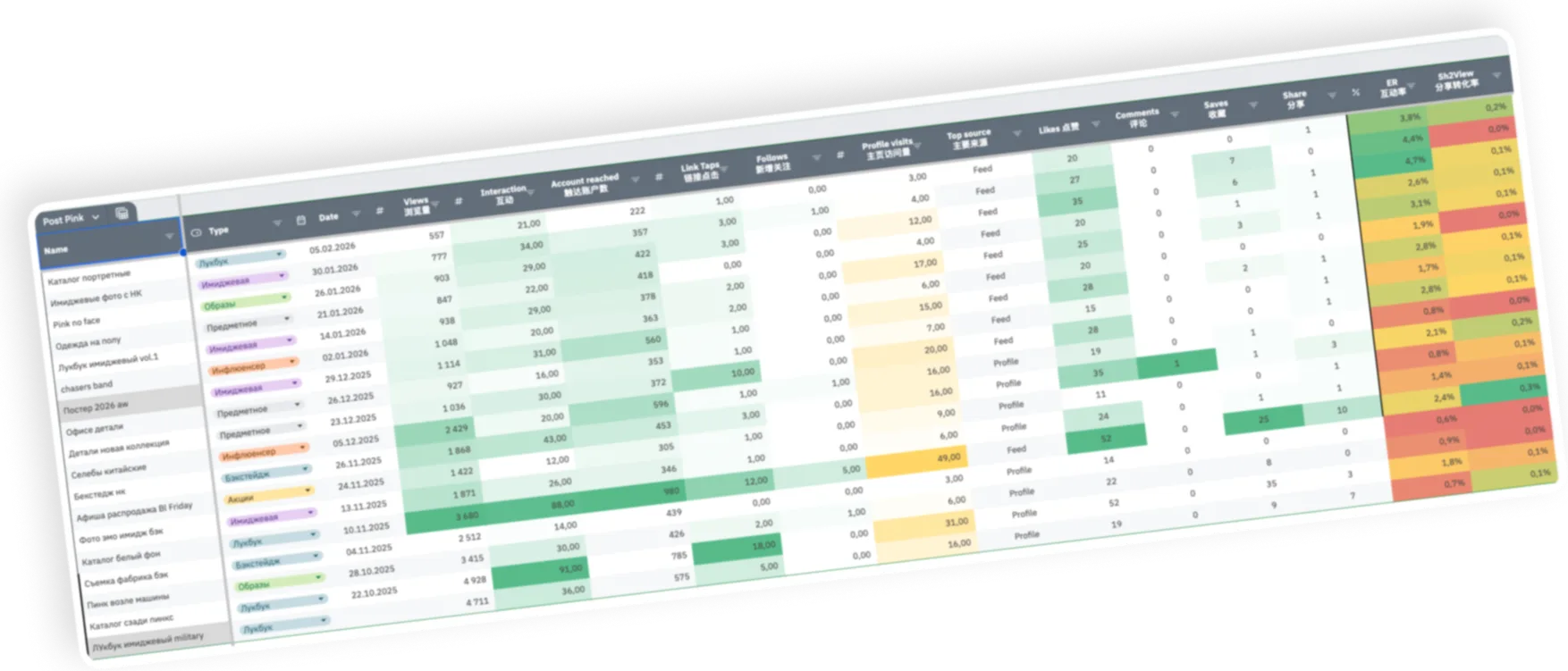
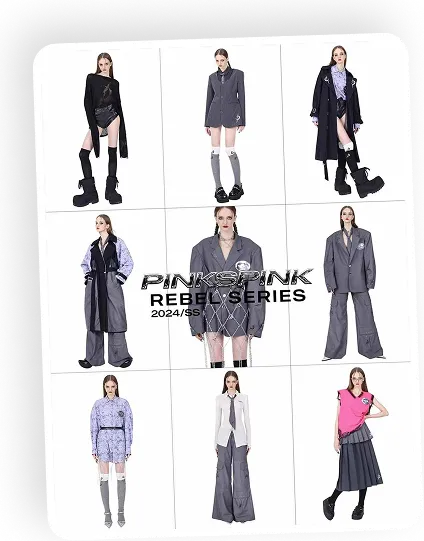
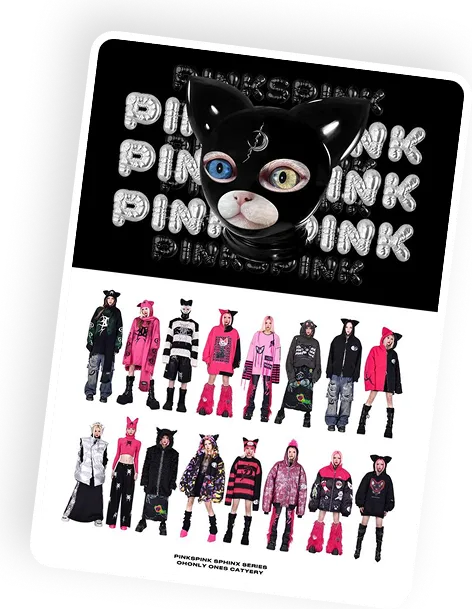
Content built on data
Before I came in, content was made on instinct — no system, no metrics
- Put metrics on every pieceWhat became visible:
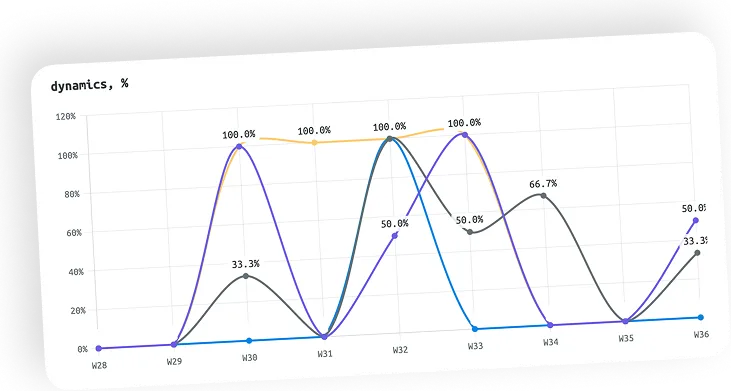
- Which content actually turns viewers into followers who might buy — and which just entertains and goes nowhere.
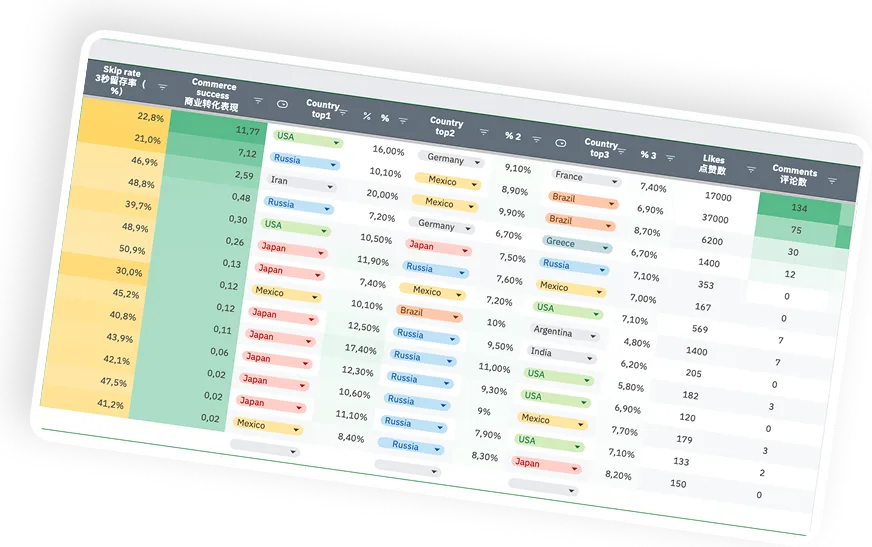
- How content type maps onto country: Japan responded to street walk-ups with groups of teenagers, the US to situational, of-the-moment content.
- Worked at the intersection of three things
- The audience and what they use the brand for
- The brand and what it has to say
- The formats that work in the niche
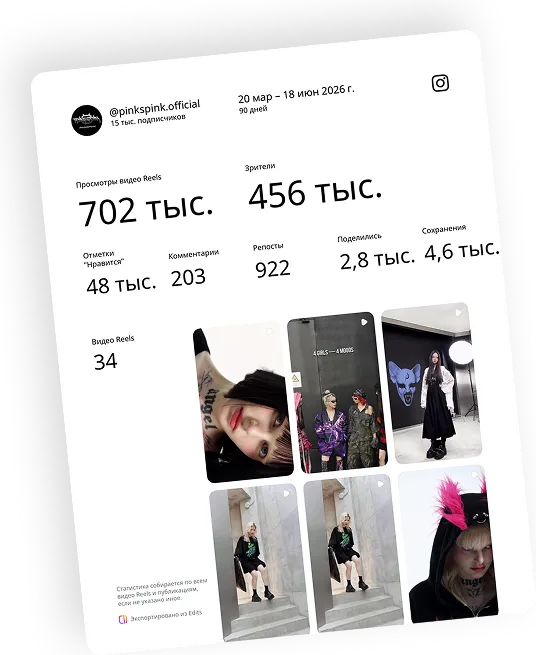
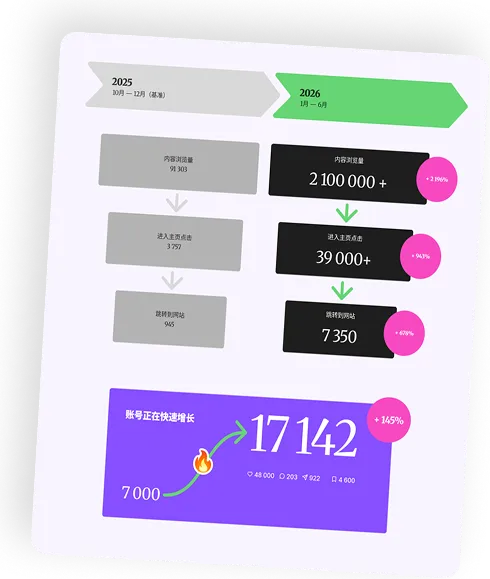
Result: content now reaches the audience we want, and every piece tells us something for the next one
- 91,303 → 2.1MContent views
- 3,757 → 39,000Profile visits
- 7,000 → 17,142Followers
Baseline Sep—Dec 2025 → Jan—May 2026
Result
The international side was built from zero and tested across several markets, and it's now clear what the next step is in each country. A content system is running, the site gets traffic from abroad, and the first international orders came in.