2025 · Brand strategy & Research · Chinese language school, ChinaLanguage school, China
Mandarin Inn
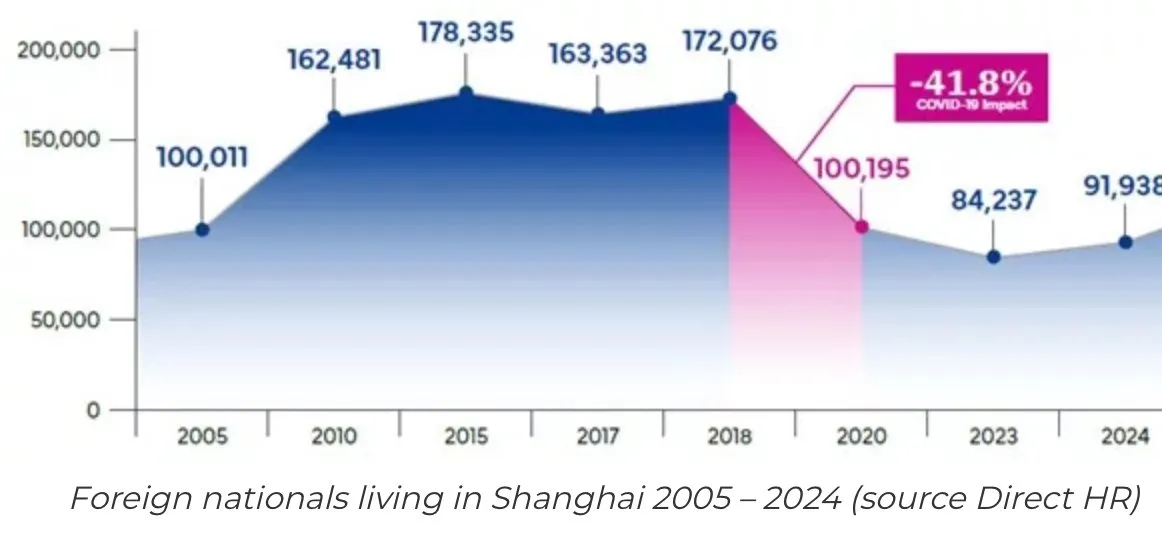
Student numbers were falling. The market had shrunk after the pandemic — a number of schools closed, a few strong players were left.
Goal: the school wanted to refresh its branding and marketing to bring in more students.
Market
Market research
Language schools in Shanghai live off the companies that bring expats in — the school worked through corporate contracts. What changed:
- Foreign population in Shanghai is around half of what it was before 2020
- Compensation packages are down by about a quarter
- Family relocations have largely given way to short project hires
The market had changed shape, so the school had to stop talking to HR departments and start talking to the people themselves.
Competitors
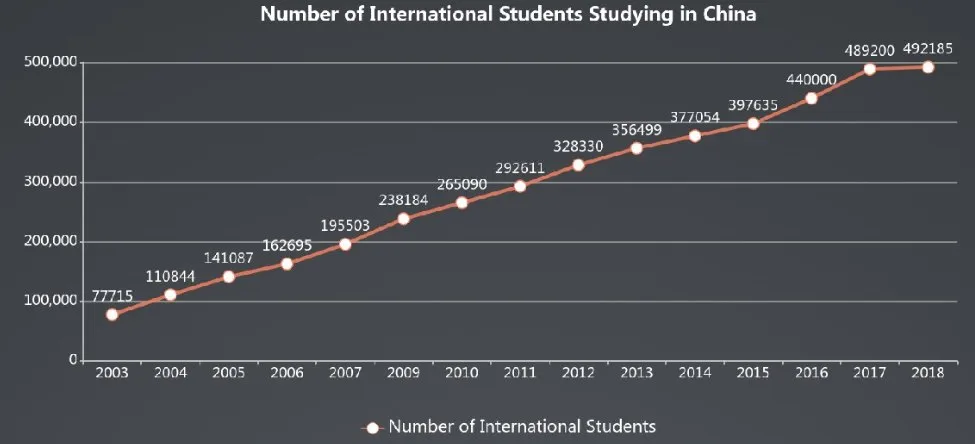
Seven offline schools in Shanghai, plus the indirect ones that take most of the demand: universities, online platforms, private tutors, apps, YouTube channels.
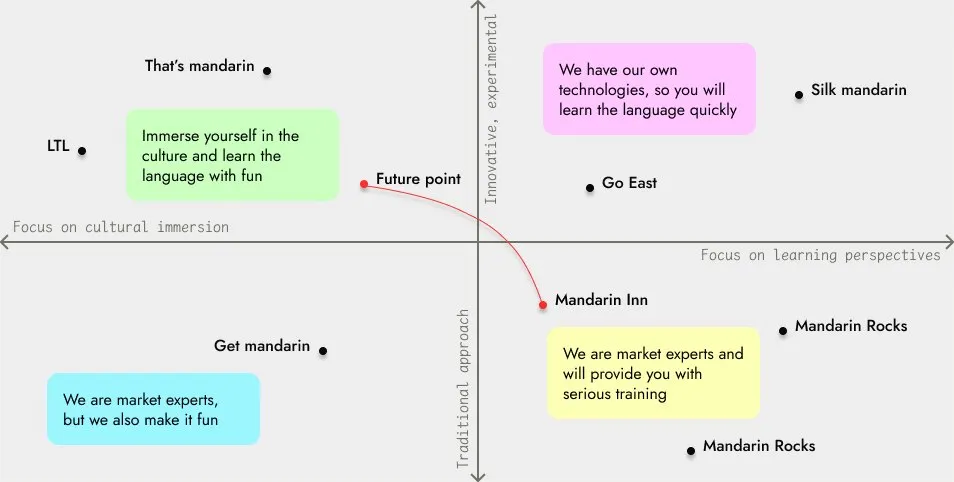
The leaders had already taken the ground the school was aiming at — two on cultural immersion and easy learning, one on method and speed. Universities take anyone who wants a degree rather than a course.
Audience
Alongside the numbers, the same questions have to be answered every time: who's coming to the school now, what they're really after, what matters to them, and how big that group is.
- In-depth interviews15 students, 25 to 45, from six months to several years in China
- Internal dataStudent numbers by course, the B2C/B2B split, sales and awareness channels
- Customer journeyEnquiry volume and sources, the questions people asked, and where they dropped off
Result
Expats, 25 and up, mostly moved to China by an employer or family. Settled careers, families, busy lives.
“When I move to a country I don't understand, I want to start coping with daily life and meet people, so that I feel at home here”
Strategy
One finding, three decisions: what the school stands for, how it speaks, and how it looks.
- PositioningMandarin Inn — your home away from home.Not a language course, but a way into a new place — adaptation programmes, interest clubs, career consultations, community events
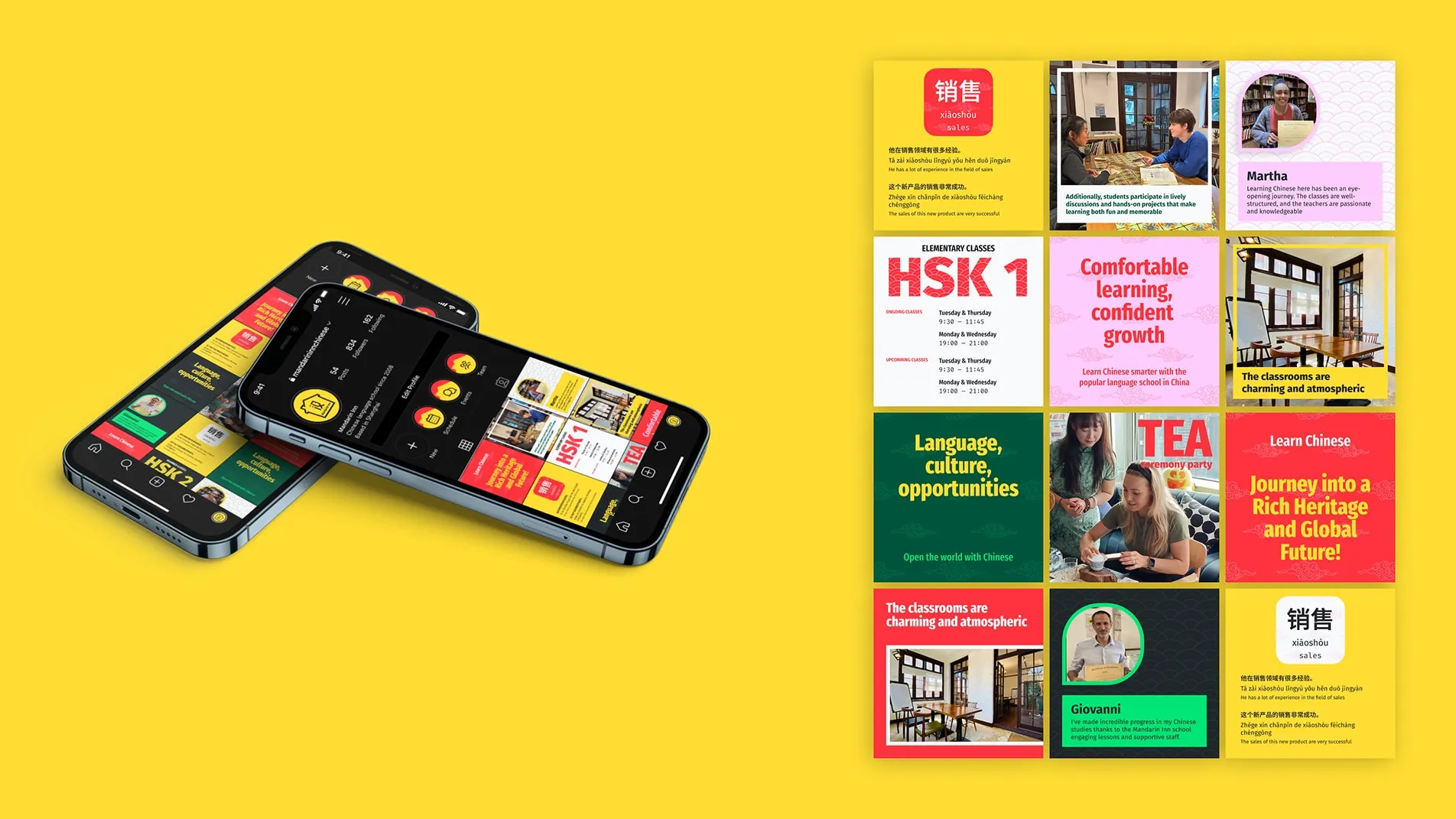
- CommunicationTone: a guide, not a teacher — someone who's already found their way here and shows you how it works.Content: life in a new country, students' own stories, practical checklists, word cards for everyday situations, meet-ups for new arrivals.Channels: WeChat, offline events, website, partner listings
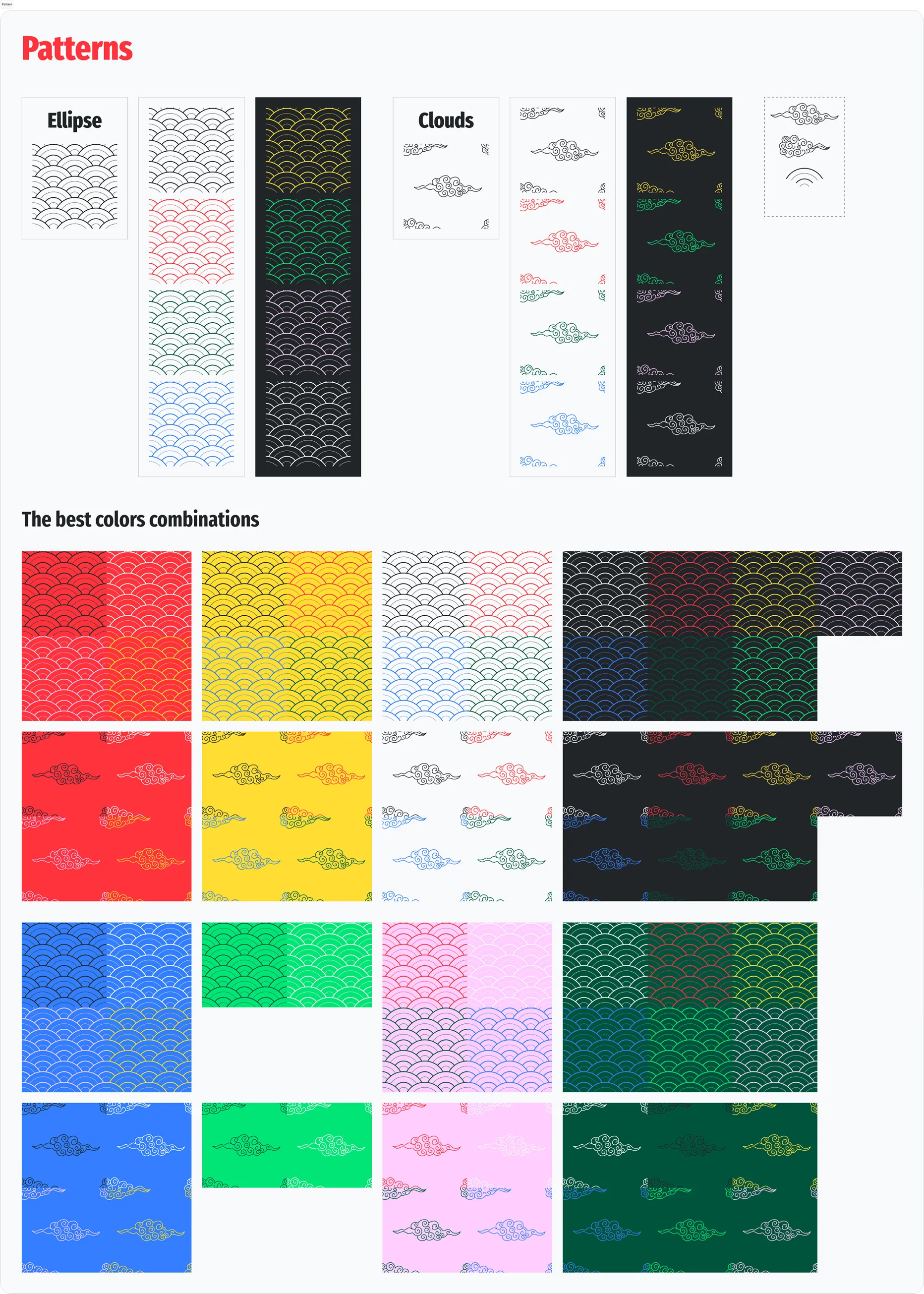
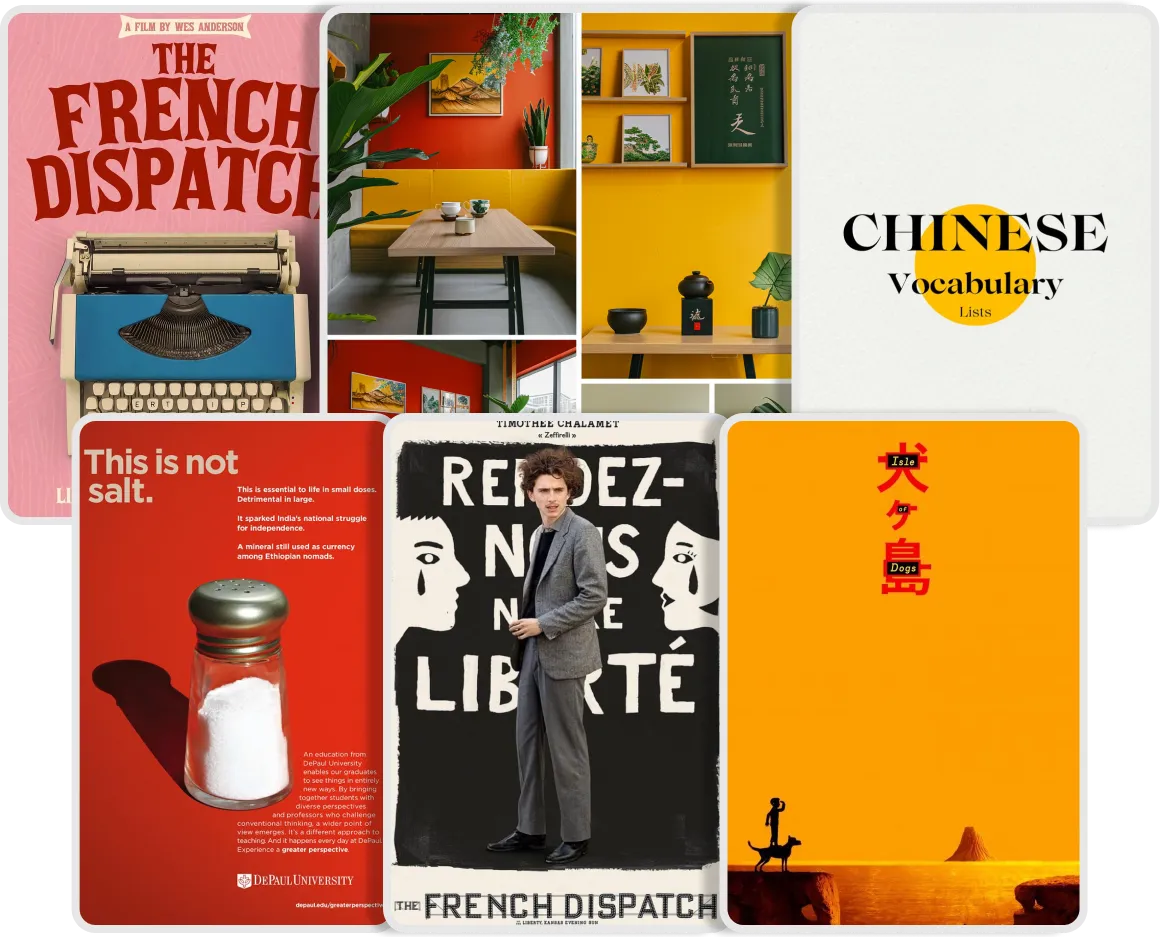
- Visual identityInspiration came from the atmosphere of Wes Anderson's films — warmth and comforting nostalgia. The style blends retro with traditional Chinese aesthetics, East and West, with a playful tone and occasional irony.
Result: The school stopped selling language courses and started selling a way into a new place.
Positioning, identity and communication were rebuilt around that.





Brand design
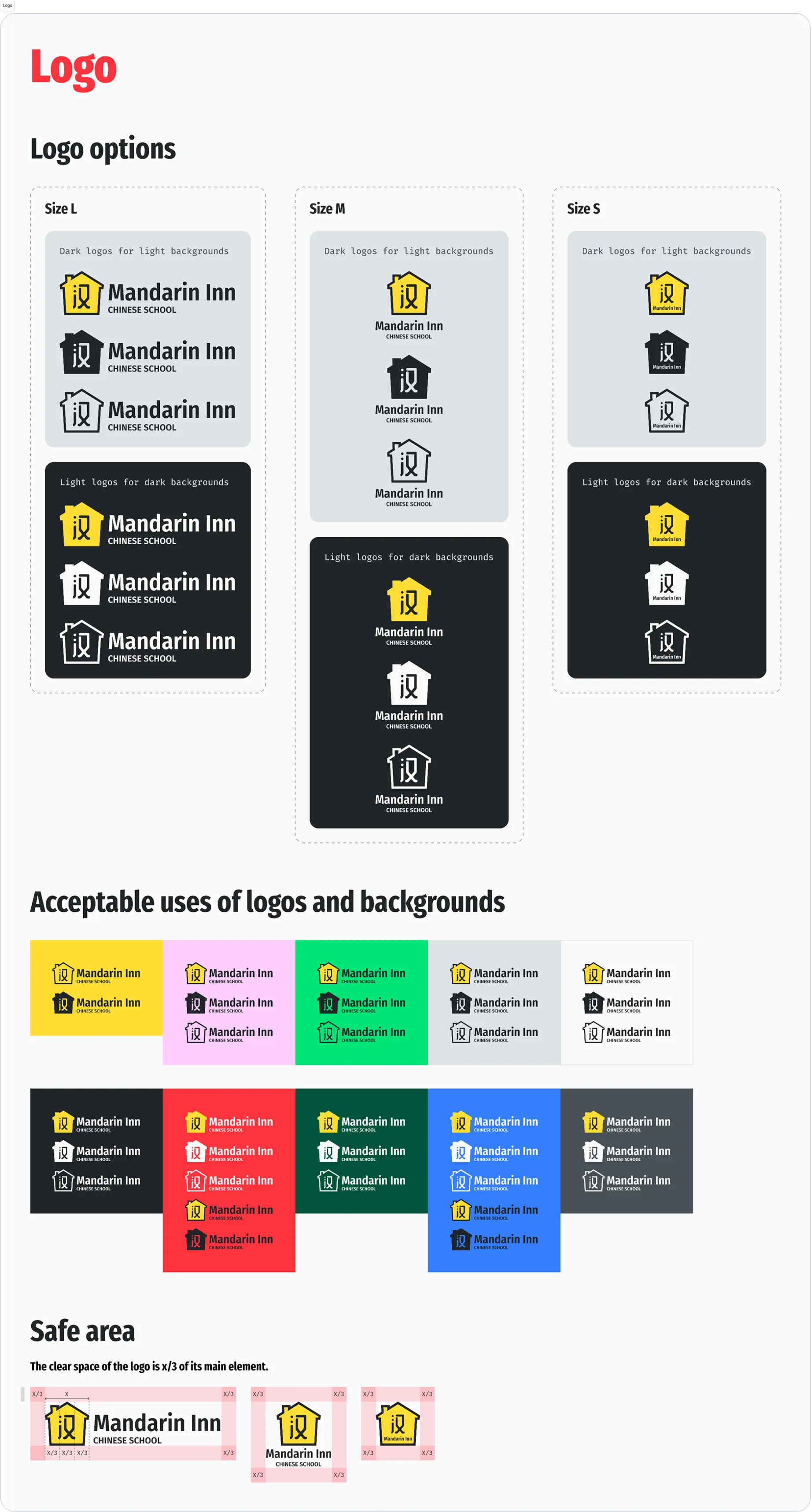
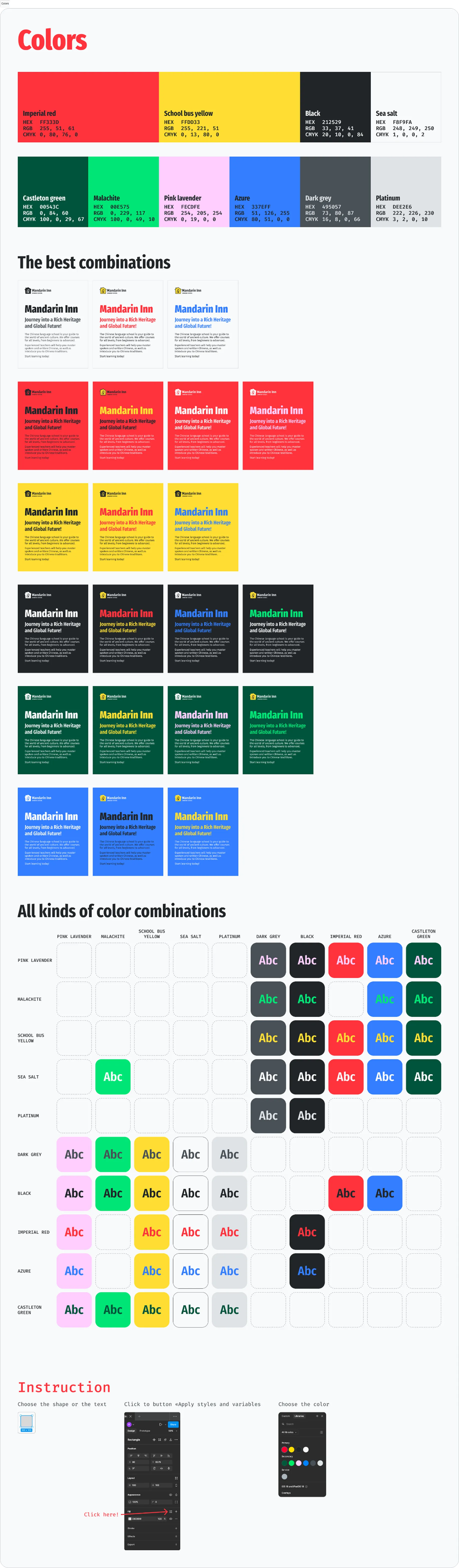
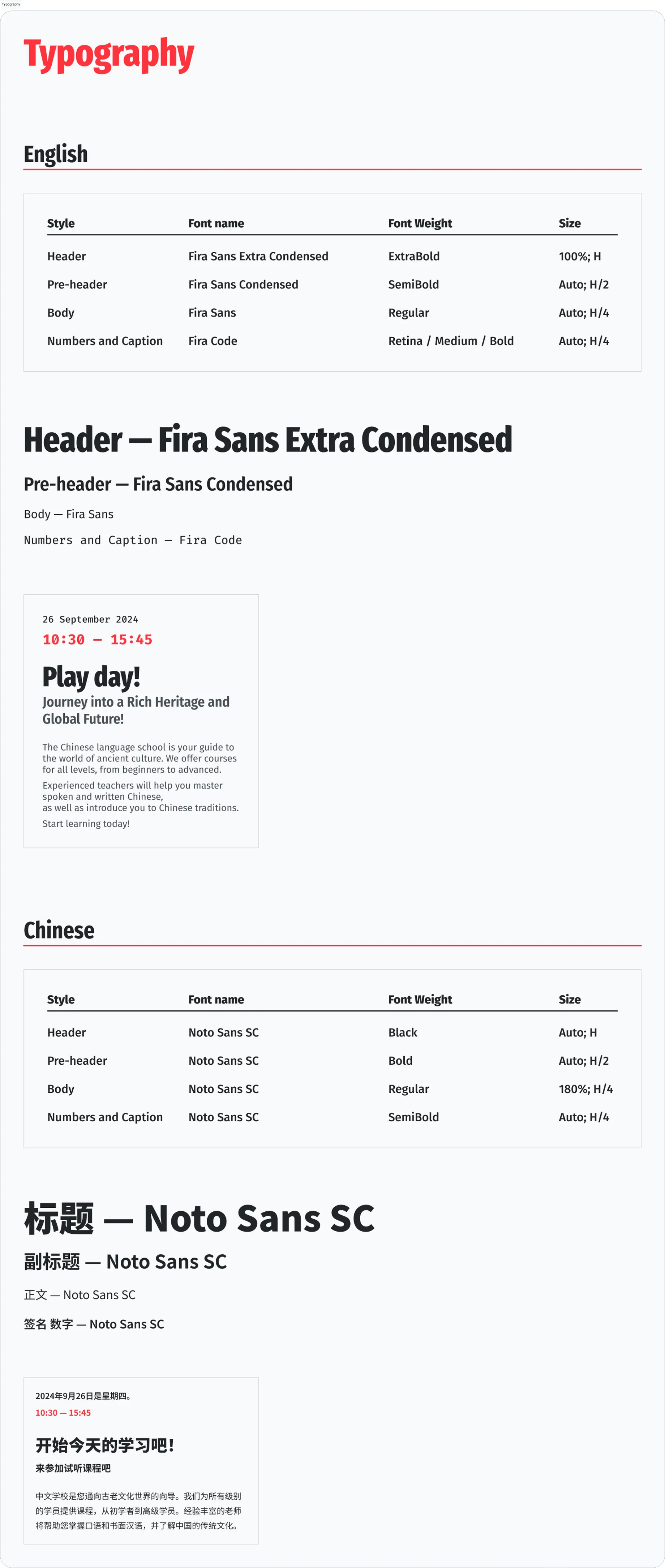
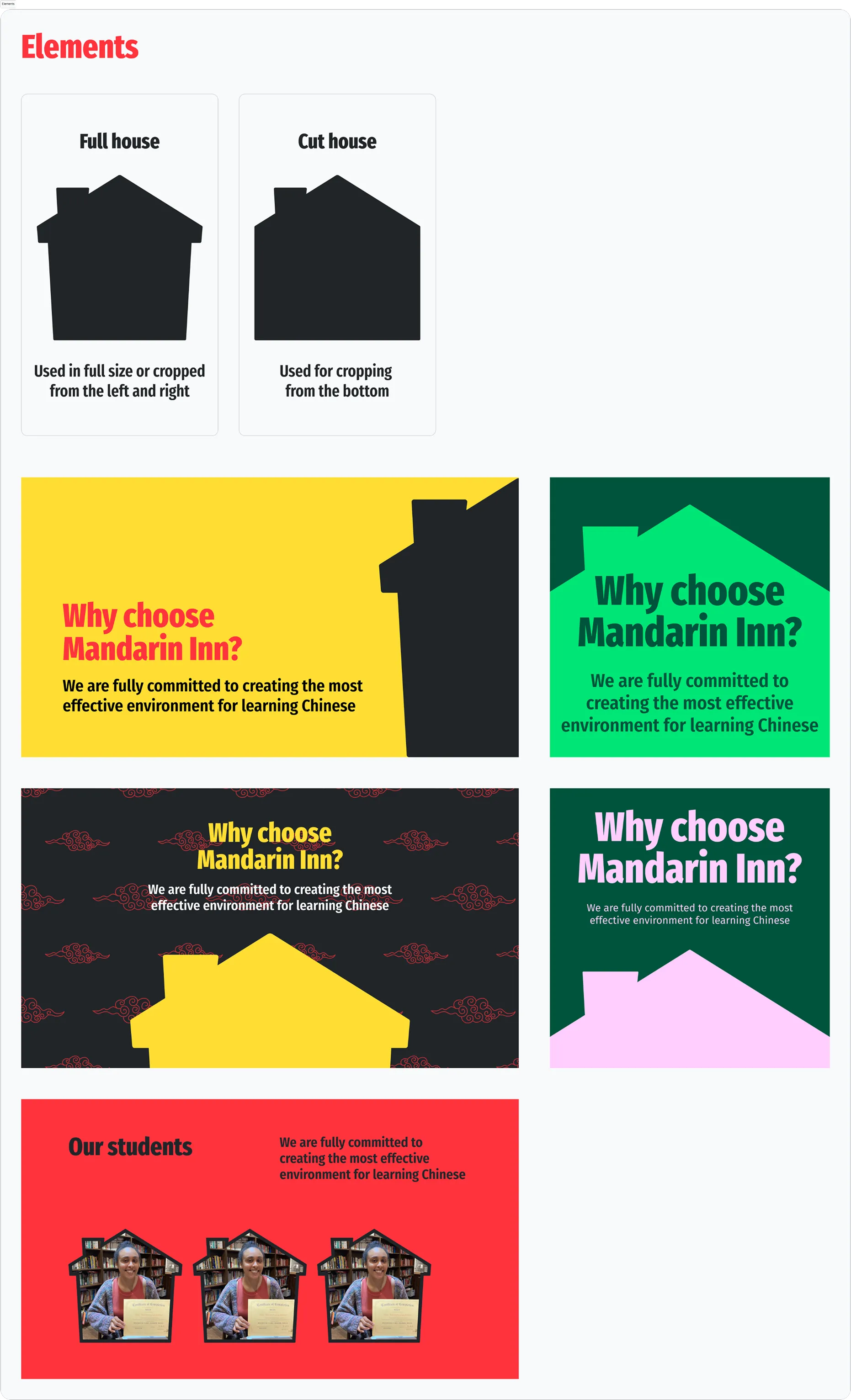
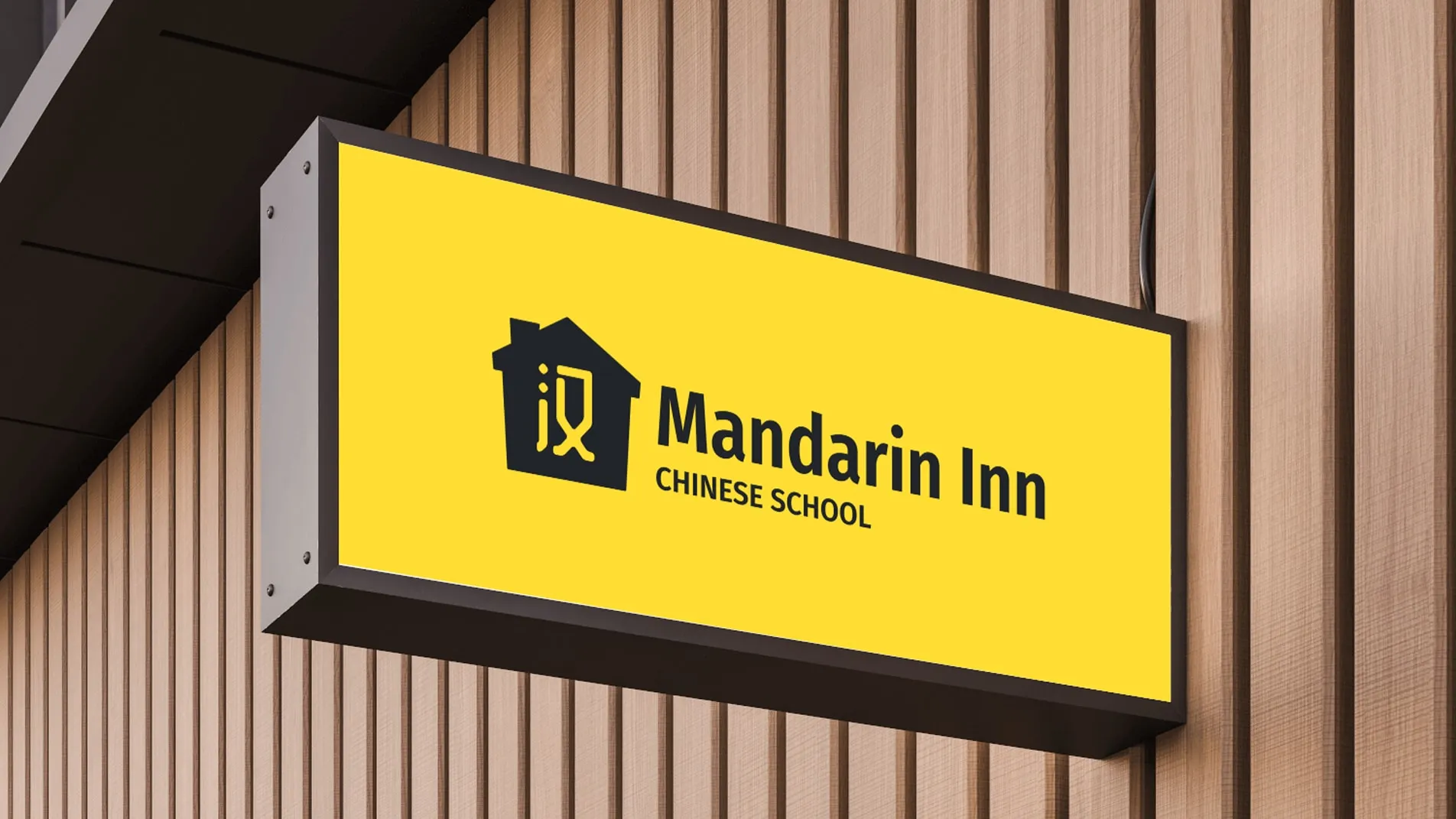
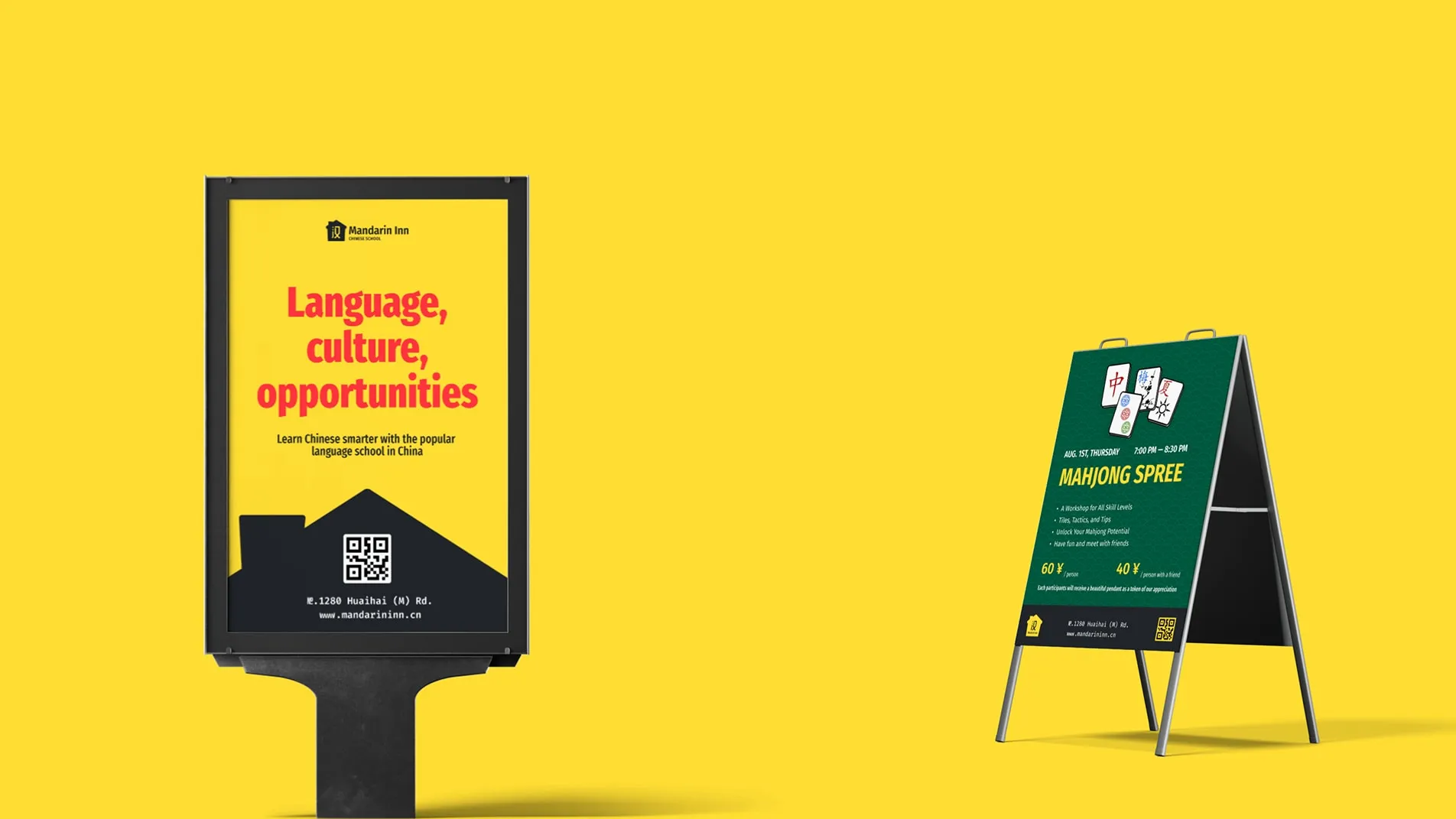
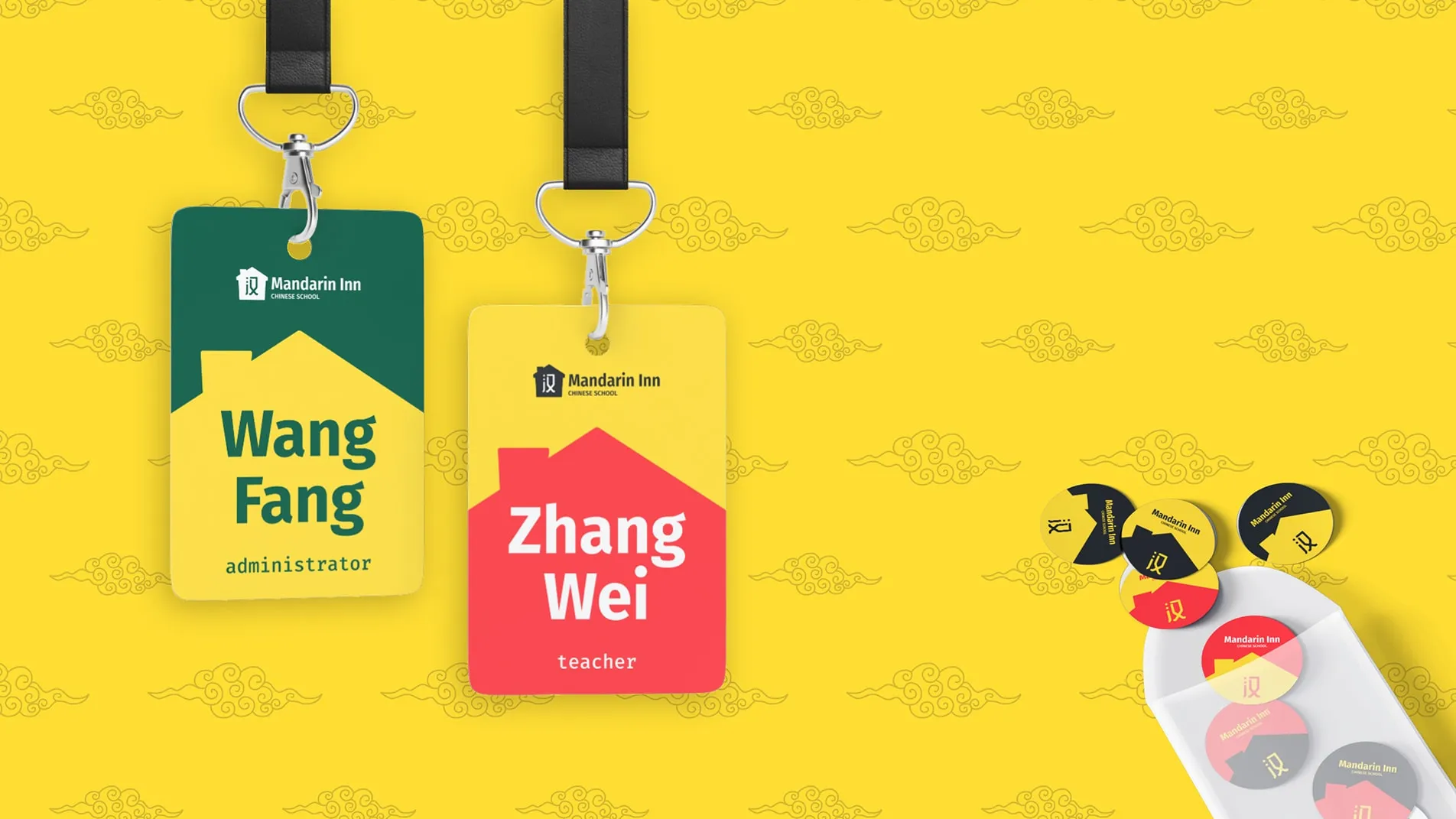
Together with a brand designer: the logo redesigned, colours, type, patterns and brand elements. The house was already in the name and the old mark — the research just gave the school a reason to build on it.